
The Unique Geology of White Sands
Nestled in the heart of southern New Mexico, White Sands National Park captivates visitors with its otherworldly landscape of gleaming white gypsum sand dunes. This remarkable area not only offers stunning vistas but is also a geological wonder. Understanding the unique geology of White Sands enhances the appreciation of this natural marvel and highlights the intricate processes that shaped its formation.
Formation of Gypsum Dunes
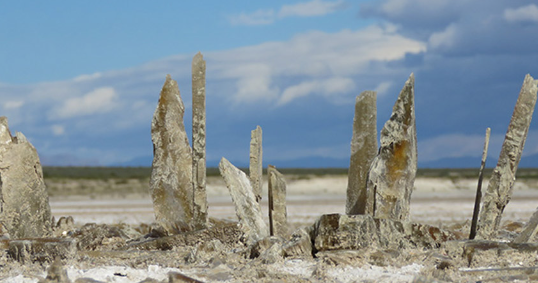
The unique white sands of this park primarily consist of gypsum, a mineral that is less common in sand dunes compared to quartz. Formed millions of years ago, the area was once a vast shallow sea that evaporated, leaving behind large deposits of gypsum. Over time, natural weathering and erosion processes transformed this mineral into fine-grained sand. As wind and water continue to shape the landscape, the dunes shift and transform, creating dynamic patterns that attract photographers, hikers, and nature enthusiasts alike.
The Role of Wind
Wind is a key player in the formation and maintenance of the gypsum dunes at White Sands National Park. The area experiences consistent winds, which help transport and shape the gypsum sand. These winds can create spectacular wave-like patterns and ripples on the dune surfaces. Additionally, the wind can cause the dunes to migrate, sometimes shifting several feet per year. This constant movement ensures that no two visits to the park are the same, making each adventure a fresh experience filled with new sights and discoveries.
Unique Ecosystem
Although the vast white landscape appears barren at first glance, it is home to a surprisingly rich and diverse ecosystem. Plants and animals have adapted to thrive in this unique environment. For instance, the white sands provide a habitat for specialized species, such as the White Sands pupfish and the resident lizards, which are perfectly camouflaged against the bright dunes. These organisms contribute to the park’s ecological balance and showcase the resilience of life in extreme conditions. Exploring the interplay between the geology and wildlife adds another layer of fascination to a visit to White Sands.
In conclusion, White Sands National Park offers an extraordinary glimpse into the geological processes that have shaped this stunning landscape. From the striking formation of gypsum dunes to the incredible adaptability of its ecosystem, the park is a testament to nature’s artistry. If you’re intrigued and want to explore this remarkable natural wonder further, consider planning your next adventure to White Sands National Park. Whether you’re hiking, photographing, or simply soaking in the beauty, each moment spent there is sure to be unforgettable.