
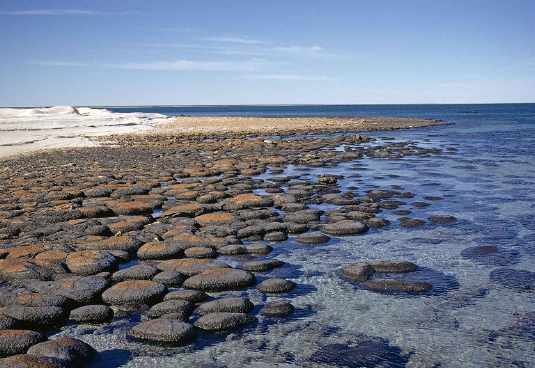
Shark Bay, located on the western coast of Australia, is a World Heritage site renowned for its extraordinary geological formations and rich biodiversity. Among its most remarkable features are the stromatolites, ancient microbial reefs that provide insights into the early history of life on Earth. Understanding the unique geology of Shark Bay not only highlights the significance of these formations but also encourages conservation initiatives to protect this precious ecosystem.
The Formation of Shark Bay
Shark Bay has a complex geological history shaped by millions of years of environmental changes. The region is characterized by its unique limestone formations, formed from the accumulation of marine sediments and shell debris over time. This geological evolution has created a diverse landscape that includes not only tidal flats and sandy beaches but also the rich underwater habitats that support a variety of marine life.
Stromatolites are among the oldest known fossils, with some dating back over three billion years. These remarkable structures are formed by the activity of cyanobacteria, which trap and bind sediment particles together. In Shark Bay, the stromatolites thrive in hypersaline waters, creating stunning formations that can grow up to several meters wide. Their presence sheds light on the conditions of early Earth and illustrates the resilience of life in extreme environments.
The unique geology of Shark Bay supports a rich diversity of flora and fauna, making it a vital ecosystem for various species. It serves as a key breeding ground for marine animals, including dugongs and dolphins. Conservation efforts are essential to preserving this delicate environment, with initiatives focused on sustainable tourism and habitat protection. By educating visitors about the importance of these geological features and their ecosystems, we can foster a deeper appreciation and commitment to conservation.
Shark Bay’s stunning landscapes and ancient stromatolites offer a glimpse into the planet’s geological past and highlight the importance of preserving such unique environments. For those interested in learning more, exploring this remarkable site can lead to a greater understanding of our planet’s history and the significance of protecting our natural heritage. Consider planning a visit or researching ways to contribute to conservation efforts in this extraordinary region.