
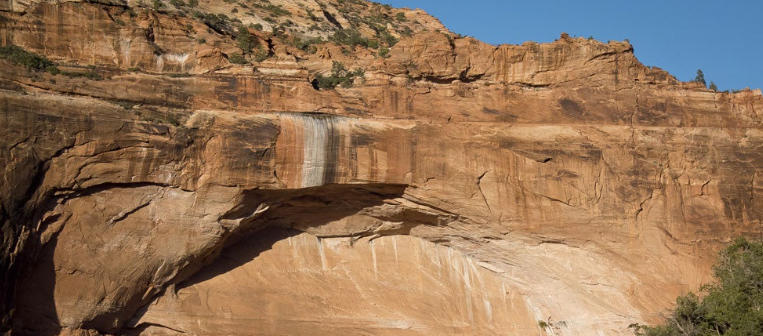
Zion National Park, located in the breathtaking southwestern region of Utah, is celebrated for its stunning landscapes that tell a rich geological story. This incredible park showcases unique erosion patterns shaped over millions of years, attracting nature lovers, climbers, and photographers alike. Understanding the unique erosion processes allows visitors to appreciate the park’s beauty even more.
The Forces Behind Erosion
Erosion in Zion National Park can be attributed to a combination of water, wind, and temperature changes. The park’s rock formations have been shaped mainly by the Virgin River cutting through the Escalante and Cedar Mountains over eons. This powerful river not only carves canyons but also transports sediment, which contributes to the sculpting of the fantastic cliffs and rock formations seen today. Additionally, the seasonal fluctuations in temperature lead to freeze-thaw cycles, which further weaken the rock and enhance the erosion process. The result is a dynamic landscape that offers both beauty and intrigue.
Iconic Features of Zion’s Erosion
One of the most iconic features of Zion is its towering sandstone cliffs, which display vibrant colors and intricate layers. The characteristic hues come from different minerals embedded in the rock, including iron oxides, which give rise to rich reds and oranges. These cliffs have been shaped by the interplay of erosion and sediment deposition, creating breathtaking formations like the Great White Throne and Angel’s Landing. Visitors can hike these trails to see firsthand how erosion has carved out these majestic sites. Understanding their formation allows visitors to connect with the park’s geological history on a deeper level.
The Role of Flash Floods
Flash floods play a pivotal role in shaping Zion’s landscape. These sudden, intense rainfalls can dramatically alter the environment, sweeping away sediment and reshaping the canyon’s contours. While these floods can be dangerous, they also contribute to the park’s unique features. For example, the Narrows, a famous slot canyon within Zion, owes its narrow, towering walls to the relentless power of water during these floods. Visitors are often captivated by the stunning views and interesting rock formations within the Narrows, reminding them of nature’s ability to adapt and change.
In Conclusion
Zion National Park is more than just a visual masterpiece; it is a testament to the incredible power of natural processes. The unique erosion patterns crafted by water, wind, and even flash floods create a landscape that tells a profound story of time. If you’re eager to explore these magnificent formations, grab your hiking boots and head out to experience the beauty of Zion for yourself. The park invites you to discover all its geological wonders while reminding us of nature’s ongoing story.