
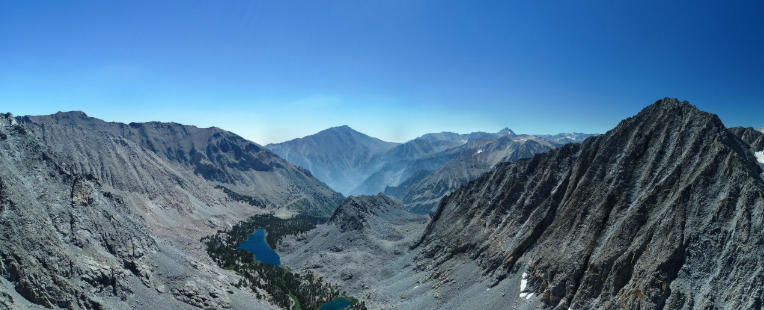
The Sierra Nevada mountain range in eastern California is renowned for its breathtaking vistas and diverse ecosystems, making it a popular destination for outdoor enthusiasts and nature lovers. However, beneath its stunning surface lies a fascinating tectonic history that has shaped the region over millions of years. Understanding this geological backdrop enriches our appreciation of the Sierra Nevada’s grandeur.
Formation through Subduction and Plutonism
The tectonic history of the Sierra Nevada begins with the process of subduction, which occurred around 200 million years ago. During this period, the eastern edge of the North American tectonic plate collided with the oceanic Farallon plate. As the denser Farallon plate was forced beneath the North American plate, intense geological activity began, leading to the formation of magma. This magma cooled and solidified beneath the Earth’s surface, resulting in the creation of granitic plutons. Over time, these plutons were exposed through erosion, revealing the rich granite formations we see today, like the iconic Half Dome and El Capitan.
Rifting and Uplift
As tectonic forces continued to shape the Sierra Nevada, a rifting process took place during the late Miocene epoch, roughly 10 million years ago. This rifting led to the uplift of the Sierra Nevada, raising the mountains to their present-day heights. The uplift was influenced by a combination of tectonic forces, including faulting and volcanic activity, which created the dramatic topography of the range. The eastern slopes are steeper than the western slopes, resulting from this intricate interplay of tectonic movements. The elevation gain has not only shaped the physical landscape but also contributed to the development of diverse ecosystems across the mountain range.
Continued Geological Change
Even though the Sierra Nevada is primarily shaped by ancient geological processes, it continues to evolve today. The range is subject to ongoing tectonic activity and erosion. Earthquakes, particularly along the Eastern Sierra Fault Zone, offer a glimpse into the dynamic nature of the region’s geology. Additionally, glacial activity during the last ice age carved out many of the mountain’s valleys and lakes, adding another layer of complexity to its landscape. The interplay between tectonics and climate continues to sculpt the Sierra Nevada, making it a living laboratory for scientists studying geological processes.
In conclusion, exploring the tectonic story of the Sierra Nevada reveals the incredible geological forces that have shaped this stunning mountain range. From subduction to uplift, and ongoing changes, the Sierra Nevada is a testament to Earth’s dynamic nature. If you’re interested in learning more about the geological history of this fascinating region, consider visiting the Sierra Nevada or checking out local museums that highlight its unique features. There’s always more to discover in this breathtaking landscape!