
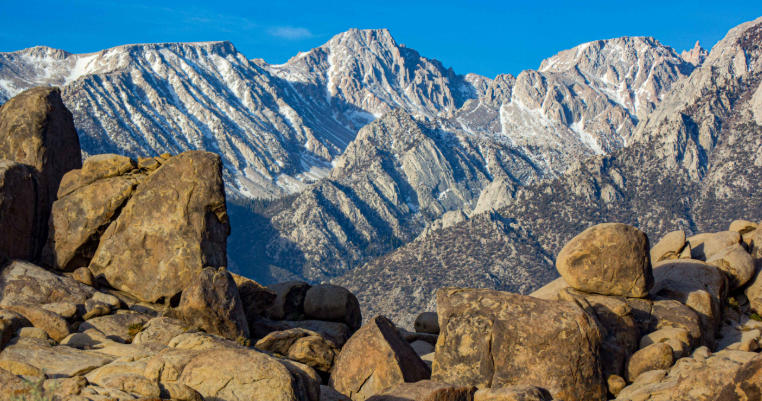
Mount Whitney, the highest peak in the contiguous United States, towers at an impressive 14,505 feet (4,421 meters) in the Sierra Nevada mountain range of California. Understanding the tectonic origins of this majestic mountain not only enhances our appreciation of its beauty but also reveals a fascinating story of ancient geological processes. Let’s delve into the tectonic forces that shaped Mount Whitney and brought it to life over millions of years.
Formation of the Sierra Nevada Mountains
The Sierra Nevada mountain range was primarily formed due to complex tectonic activities that began about 120 million years ago. During this time, the North American Plate and the Pacific Plate interacted in ways that created immense pressure and led to the uplift of granite intrusions. These intrusions are the backbone of the Sierra Nevada, including Mount Whitney. The process involved the melting of the Earth’s mantle, allowing magma to rise and cool, eventually forming large granite bodies. Over millions of years, erosion and glacial activity sculpted these massive formations into the striking peaks we see today.
The Role of Glaciation
Glacial activity has played a significant role in shaping Mount Whitney and its surroundings. During the Pleistocene Epoch, approximately 2.6 million to 11,700 years ago, the Sierra Nevada was covered in thick ice sheets. As these glaciers advanced and retreated, they carved out valleys, created sharp ridges, and eroded the granite, exposing the rock faces we admire now. The sheer cliffs of Mount Whitney are a testament to this powerful geological force. Today, the remnants of this glaciation can be seen in the form of U-shaped valleys and significant glacial lakes, adding to the park’s stunning landscape.
The Impact of Erosion
Erosion continues to affect Mount Whitney and the Sierra Nevada today. Wind, rain, and temperature changes gradually wear away the rock, shaping the mountain’s features over time. This ongoing process is essential for the health of the ecosystem, as it creates diverse habitats for flora and fauna. Erosion also exposes new geological layers, offering scientists insights into the Earth’s history and revealing clues about past climatic conditions. Understanding these processes can inspire hikers and nature enthusiasts who visit Mount Whitney to appreciate not just its elevation but also the dynamic geological forces that have forged this natural wonder.
In conclusion, the tectonic origins of Mount Whitney tell a captivating story steeped in geological history. From the uplifting forces of tectonic plates to the shaping hands of glacial activity and ongoing erosion, every aspect contributes to the mountain’s majestic height and striking beauty. If you’re interested in exploring more about Mount Whitney’s geology or planning a visit to experience its wonders firsthand, dive deeper into the rich narratives that this stunning area offers. Your adventure awaits!