
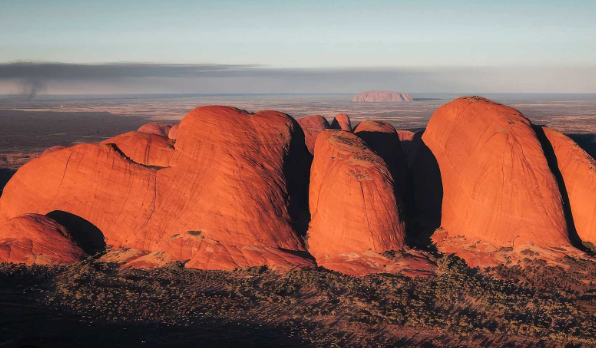
Kata Tjuta, a striking geological formation in Australia, captivates visitors with its breathtaking domes and rich cultural heritage. Understanding its formation and significance not only enhances appreciation for this natural wonder but also fosters respect for the stories of the Indigenous peoples connected to the land. Exploring the story behind Kata Tjuta reveals a fascinating interplay between nature and culture.
Geological Formation of Kata Tjuta
Kata Tjuta, also known as the Olgas, is comprised of 36 domed rock formations that rise dramatically from the arid landscape of the Northern Territory. Formed over 500 million years ago, these structures are primarily sandstone, shaped by the forces of erosion and tectonic activity. The domes are the result of a complex geological history, where sedimentary layers compacted and hardened, ultimately revealing their majestic forms through relentless weathering processes. The variety in color and texture of the rocks adds to the stunning visuals, making it a photographer’s dream.
Cultural Significance to Indigenous Peoples
Kata Tjuta holds immense spiritual significance to the Anangu people, the traditional custodians of the land. For thousands of years, these majestic formations have been central to their cultural narratives, traditions, and ceremonies. The name “Kata Tjuta” translates to “many heads,” which reflects both the physical appearance of the domes and their interconnectedness with nature and community. Understanding this cultural backdrop is essential for visitors, as it encourages deeper respect for the land’s heritage and the stories interwoven with its existence.
Environmental Conservation and Tourism
As a UNESCO World Heritage site, Kata Tjuta is not only a natural marvel but also a vital area for conservation. Efforts to protect the landscape and its ecosystems are crucial, as tourism continues to grow. The Anangu people work closely with the Australian government to promote responsible tourism that honors the site’s beauty and cultural significance. Visitors are encouraged to engage with educational resources, partake in guided tours, and respect the cultural guidelines to ensure that this enchanting landmark remains preserved for future generations.
Exploring the story of Kata Tjuta enriches our understanding of both natural history and cultural significance. It invites us to appreciate the intricate connections between the land, its geological marvels, and the people who have revered it for millennia. Take a moment to learn more about this extraordinary place and consider how you can contribute to its preservation and appreciation.