
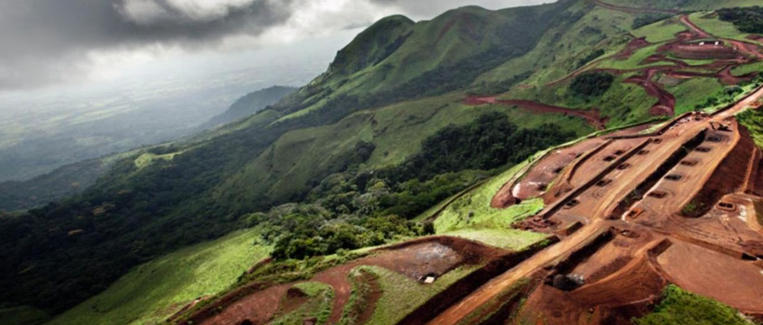
Australia’s Iron Ore Mountains are not just geological marvels; they represent a crucial element of the country’s economic landscape. These formations are rich in iron ore, a vital resource that has played a pivotal role in Australia’s mining industry and global trade. Understanding their history and significance can provide insights into both natural history and economic development.
The Formation of Iron Ore Mountains
The Iron Ore Mountains primarily lie in the Pilbara region of Western Australia, formed over millions of years through volcanic and sedimentary processes. The region’s unique geology has resulted in the concentration of iron-rich minerals, making it one of the world’s leading sources of iron ore. Through processes like erosion and mineral deposition, these formations came to be, presenting striking landscapes that vary in color and texture, attracting both scientists and tourists alike.
Economic Impact and Mining Industry
The mining of iron ore has become a cornerstone of Australia’s economy, significantly contributing to export revenues and job creation. Major companies like Rio Tinto and BHP Billiton have capitalized on these resources, establishing massive mining operations that extract iron ore for global markets. The economic benefits extend to local communities, providing employment and infrastructure development, but the industry also faces challenges such as environmental concerns and the need for sustainable practices.
Cultural and Environmental Significance
Beyond its economic importance, the Iron Ore Mountains hold cultural value for Indigenous Australians. These lands are rich in history and spirituality, often referenced in local Aboriginal stories and traditions. Efforts are being made to balance mining activities with the preservation of cultural heritage and environmental stewardship, highlighting the importance of sustainable development that respects both the land and its traditional custodians.
Exploring the story behind Australia’s Iron Ore Mountains reveals a fascinating intersection of geology, economy, and culture. Whether you’re interested in the scientific aspects or the human impact, there is much to uncover. Dive deeper into this rich tapestry of history and consider how these mountains shape not just the landscape but also the lives of those who inhabit it.