
Introduction: A Vast and Misunderstood Wilderness
Stretching across Western Australia and South Australia, the Great Victoria Desert is the largest desert in Australia and one of the most remote landscapes on Earth. Covering over 400,000 square kilometers, it is often imagined as an empty expanse of sand. However, beneath this seemingly barren surface lies a complex and dynamic environment shaped by geology, climate, and thousands of years of human history.
A Landscape Beyond Sand
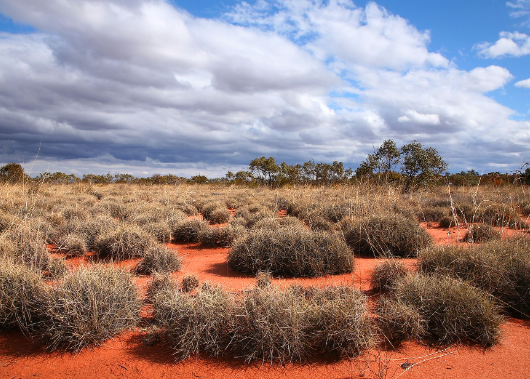
Contrary to popular belief, the Great Victoria Desert is not dominated solely by endless sand dunes. While longitudinal dunes are a defining feature, the terrain also includes rocky plains, salt lakes, and patches of grassland. Vegetation such as spinifex grass and eucalyptus shrubs have adapted to survive in nutrient-poor soils and extreme temperatures. These plants play a crucial role in stabilizing the dunes and supporting the desert’s fragile ecosystem.
The region’s geological history reveals ancient origins, with some landforms dating back hundreds of millions of years. Weathering and erosion have sculpted the desert into a mosaic of landforms, each telling a story of past climates and environmental shifts.
Climate Extremes and Adaptation
The Great Victoria Desert experiences a harsh arid climate, characterized by scorching daytime temperatures and cold nights. Rainfall is both scarce and unpredictable, averaging less than 250 millimeters annually. Yet, when rain does arrive, it transforms the desert. Ephemeral wildflowers bloom, creating brief but spectacular displays of color across the landscape.
Flora and fauna have evolved remarkable adaptations to survive these extremes. Many plants have deep root systems or waxy leaves to minimize water loss. Animals such as marsupials, reptiles, and insects are often nocturnal, avoiding the daytime heat. Some species can go long periods without direct water intake, relying instead on moisture from food.
Hidden Biodiversity
Despite its harsh conditions, the Great Victoria Desert supports a surprising diversity of life. It is home to species like the sandhill dunnart, perentie lizard, and numerous bird species adapted to arid environments. The desert also hosts unique ecological communities that are not found anywhere else.
This biodiversity is fragile. Small changes in climate or human activity can have significant impacts. Invasive species, particularly feral cats and foxes, have threatened native wildlife, leading to conservation efforts aimed at protecting vulnerable populations.
Indigenous Knowledge and Cultural Significance
One of the desert’s most profound secrets lies in its cultural heritage. Indigenous Australian communities have lived in and traversed this region for tens of thousands of years. For them, the desert is not empty but rich with meaning, stories, and resources.
Traditional knowledge includes detailed understanding of seasonal patterns, water sources, and edible plants. Songlines—oral maps embedded in stories and songs—guide movement across the vast terrain. This deep connection to the land continues today, with Indigenous groups playing a key role in managing and preserving the desert environment.
Isolation and Human Impact
The remoteness of the Great Victoria Desert has helped preserve much of its natural state. However, it has not been entirely untouched. During the mid-20th century, parts of the desert were used for nuclear testing, leaving lasting environmental and cultural consequences.
Modern challenges include climate change, mining activities, and infrastructure development. While these pressures are less intense than in more populated regions, they still pose risks to the desert’s delicate balance.
The Desert’s Quiet Resilience
What makes the Great Victoria Desert truly remarkable is its resilience. Life persists in subtle, often hidden ways. Seeds lie dormant for years, waiting for rain. Animals navigate vast distances to find food and shelter. Ecosystems recover slowly but steadily from disturbances.
This resilience, however, should not be mistaken for invulnerability. The desert operates on finely tuned ecological processes that can be disrupted by rapid environmental change.
Conclusion: A Landscape Worth Understanding
The Great Victoria Desert is far more than an empty wilderness. It is a place of ecological complexity, cultural depth, and quiet endurance. Its secrets are not immediately visible but reveal themselves through careful observation and respect for the land.
Understanding this desert challenges common perceptions of arid regions and highlights the importance of preserving such environments. In a world facing increasing environmental pressures, the Great Victoria Desert stands as a powerful reminder that even the harshest landscapes are rich with life and meaning.