
Antelope Canyon: The Science Behind Its Stunning Formations
Antelope Canyon, nestled in the heart of Arizona, captivates visitors with its breathtaking slot canyon formations. Beyond its remarkable beauty lies a fascinating story of geological processes that shape this iconic landmark. Understanding the science behind these unique features adds depth to the experience and enhances appreciation for this natural wonder.
Formation Process: A Dance of Water and Time
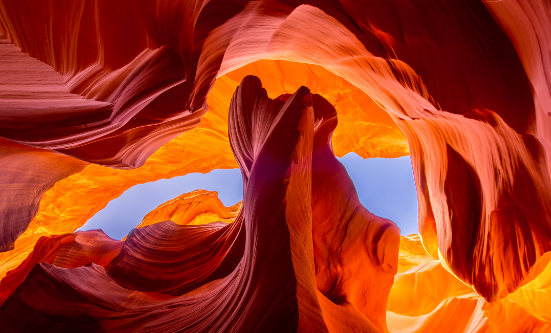
The creation of Antelope Canyon is a testament to the slow yet powerful forces of erosion. Over thousands of years, flash floods have carved through the sandstone, sculpting narrow passageways and smooth, swirling walls. Water, rushing through the canyon, removes softer rock layers while leaving behind harder, more resistant formations. This ongoing natural dance illustrates how the forces of nature can create awe-inspiring landscapes, reminding us of the Earth’s ever-changing environment.
Color and Light: Nature’s Palette in Motion
One of the most enchanting aspects of Antelope Canyon is how light interacts with its walls. The canyon’s walls, composed mainly of Navajo sandstone, exhibit a stunning array of colors, ranging from deep reds to vibrant oranges and even purples. These hues are influenced by the minerals in the rock and the angle of sunlight entering the canyon. During specific times of day, the light filters in at the right angle, creating mesmerizing beams that illuminate the canyon’s interior. This interplay of light and color makes Antelope Canyon not just a geological marvel but also a photographer’s paradise.
Ecological Significance: A Unique Habitat
Antelope Canyon is not only revered for its aesthetics but also for its ecological importance. The environment within the canyon supports a variety of plant and animal life adapted to the unique conditions. Moisture from occasional rains creates an oasis that sustains species like the desert bighorn sheep and various plants that thrive in these arid conditions. Understanding the ecological dynamics at play adds another layer of appreciation for this stunning location, underscoring the delicate balance of life and geography.
In conclusion, Antelope Canyon is a remarkable testament to the powerful forces of nature and their ability to create captivating beauty. By exploring the science behind its formations, colors, and ecological significance, visitors can deepen their appreciation for this natural wonder. For those intrigued by geology, photography, or simply nature’s grandeur, Antelope Canyon offers an unforgettable experience that inspires exploration and wonder. Don’t miss out on the chance to witness this incredible landscape—plan your visit today!