
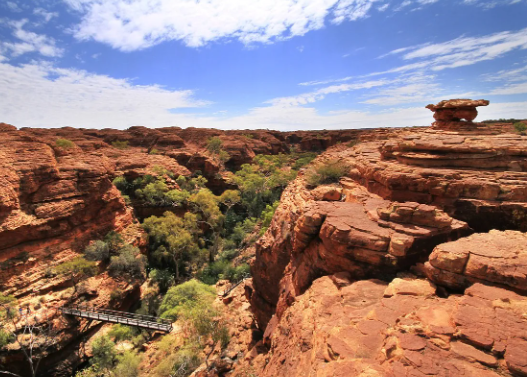
Understanding the role of erosion in shaping natural landscapes is crucial for appreciating the intricacies of our environment. In places like Kings Canyon, erosion not only carves stunning geological features but also plays a vital role in the ecosystem’s health and diversity. This topic sheds light on both the natural processes and the breathtaking beauty formed by these forces over millennia.
Types of Erosion in Kings Canyon
Erosion in Kings Canyon occurs through various mechanisms, primarily water, wind, and ice. Water erosion is particularly significant, with rivers and streams carving deep gorges and canyons as they flow. Seasonal flooding contributes to this process by removing loose soil and rock, reshaping the landscape. Additionally, freeze-thaw cycles in colder months can lead to physical weathering, breaking down rocks and further altering the topography.
Geological Impact
The geological features of Kings Canyon are a testament to extensive erosion over millions of years. The exposed granite cliffs and unique rock formations tell a story of Earth’s history, revealing layers of sediment and ancient landscapes. As erosion continues, it unveils these layers, allowing scientists to study past environments and geological changes. This ongoing process not only shapes the physical landscape but also impacts habitats and biodiversity in the region.
Ecological Consequences
Erosion affects more than just the geology of Kings Canyon; it also has profound ecological implications. The removal of soil can lead to nutrient loss, impacting plant growth and, consequently, the entire food web. However, erosion can create new habitats, allowing species to thrive in altered landscapes. Understanding these dynamics is essential for conservation efforts, as it helps protect the delicate balance between erosion and ecosystem health.
As you explore the fascinating processes of erosion in Kings Canyon, consider how these natural events shape not only the landscape but also the life that inhabits it. Dive deeper into geological studies, take a hike to witness these incredible formations firsthand, or engage with conservation initiatives to protect this natural treasure. Every step into nature can enrich our understanding and appreciation of the forces that shape our world.