
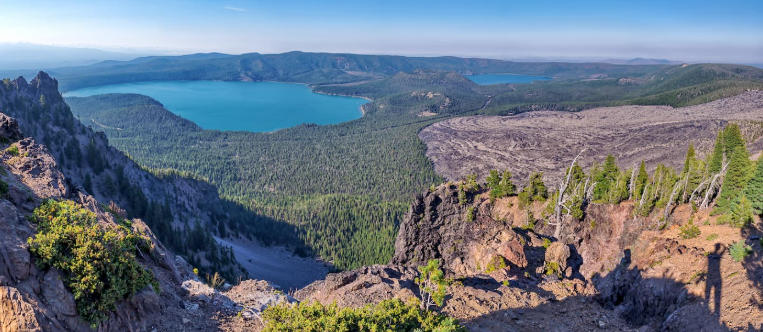
The Lava Plateaus of the Columbia River Basin are a remarkable geological feature in the Pacific Northwest, specifically in Washington and Oregon. These vast expanses of basalt rock not only tell the story of volcanic activity spanning millions of years but also play a crucial role in the region’s ecosystem and economy. Understanding these formations allows us to appreciate the natural history and the dynamic forces that shape our landscape.
The Formation of the Plateaus
The Lava Plateaus were formed primarily during the Miocene epoch, around 15 to 17 million years ago. They are a product of extensive volcanic activity that created the Columbia River Basalt Group, one of the largest flood basalt provinces in the world. This process involved massive lava flows that spread out over the land, cooling and solidifying into thick layers of basalt rock. The flat-topped plateaus we see today are a direct result of these ancient eruptions, leaving behind a dramatic landscape that offers a glimpse into the area’s volcanic past.
Ecological Significance of the Plateaus
Beyond their geological significance, the lava plateaus support a variety of ecosystems. The unique soil composition, rich in nutrients from the basalt rock, creates a fertile environment for diverse plant species. This, in turn, attracts various wildlife, making the region a hotspot for birdwatching and hiking enthusiasts. The contrasting landscapes of rugged volcanic rock and lush greenery provide habitat for many animals, including deer, coyotes, and an array of bird species. Understanding this ecological balance is essential for conservation efforts and for those who want to explore the natural beauty of the area.
Cultural and Historical Importance
The Lava Plateaus also hold cultural and historical significance for the indigenous peoples of the region. Tribes such as the Yakama and Nez Perce have long inhabited these lands, utilizing the resources provided by the unique geography. The area is rich in history, from ancient habitation sites to modern recreational use. The plateaus are not only a reminder of the earth’s geological processes but also a testament to the enduring relationship between people and the land. Exploring these sites often provides insight into the local culture and history, making them valuable destinations for education and adventure alike.
In Conclusion
The Lava Plateaus of the Columbia River Basin are more than just awe-inspiring geological formations; they are essential components of the region’s ecosystem and cultural heritage. Whether you’re a geology enthusiast, a nature lover, or someone interested in the history of the Pacific Northwest, there’s something for everyone to discover. Consider taking a trip to these magnificent plateaus to witness firsthand the natural beauty and historical significance they offer. Dive deeper into this fascinating topic and explore the rich offerings of this unique landscape!