
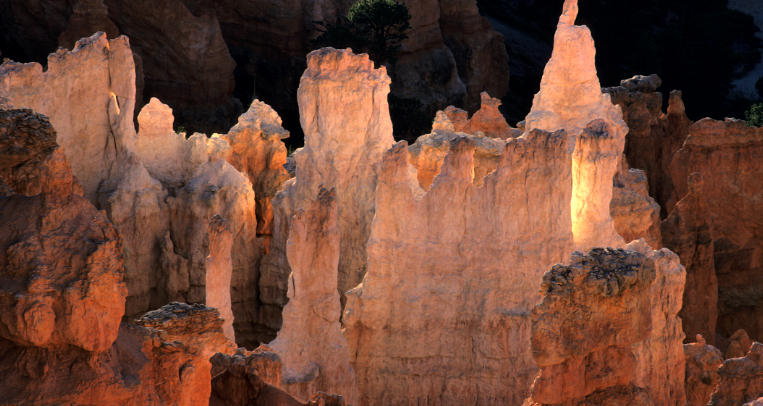
Bryce Canyon National Park in Utah is renowned for its stunning natural beauty, particularly the captivating hoodoos. These unique geological formations are not only a testament to the forces of nature but also an incredible destination for outdoor enthusiasts and curious travelers alike. Understanding the science and history behind these impressive structures can deepen your appreciation during your visit.
What Are Hoodoos?
Hoodoos are tall, spire-like rock formations that often appear to rise dramatically from the canyon floor. The primary process that leads to their formation is called “erosion.” This occurs when elements such as wind and water gradually wear away softer rock layers while the harder rock caps remain intact, creating these striking shapes. The colorful hue of the hoodoos, ranging from rich reds to vibrant oranges and whites, is due to the iron oxide and other minerals present in the stone. Each hoodoo tells a story of erosion, climate, and time, making them a fascinating subject for geological study.
Where to See Hoodoos in Bryce Canyon
One of the best places to witness the beauty of hoodoos within Bryce Canyon is at a popular viewpoint known as Sunrise Point. Here, visitors can capture breathtaking views, especially during early mornings when the rising sun casts warm light that enhances the vibrant colors of the rock formations. Another spectacular spot is the Queen’s Garden Trail, which takes you down into the canyon, allowing for a closer look at these towering pillars. As you hike through the trails, don’t forget to keep an eye out for the various wildlife, such as mule deer and numerous bird species that call this beautiful park home.
Exploring the Unique Ecosystem
The hoodoos are not just isolated geological wonders; they represent a unique ecosystem. The combination of high elevation, varied soil types, and microclimates creates diverse habitats that support different plant and animal species. You’ll find striking wildflowers, ancient ponderosa pines, and other vegetation that have adapted to the harsh conditions of the park. This biodiversity is crucial for maintaining the ecological health of the area and offers endless opportunities for nature enthusiasts to explore and learn about the intricate relationships between flora and fauna.
Conclusion
The hoodoos of Bryce Canyon are more than just beautiful formations; they embody millions of years of Earth’s geological history and ecological diversity. Whether you’re hiking the trails, photographing the stunning views, or simply soaking in the atmosphere, there’s no shortage of wonder to experience in this remarkable national park. So, why not plan your visit to Bryce Canyon and witness these incredible hoodoos for yourself? There’s a world of natural beauty waiting for you!