
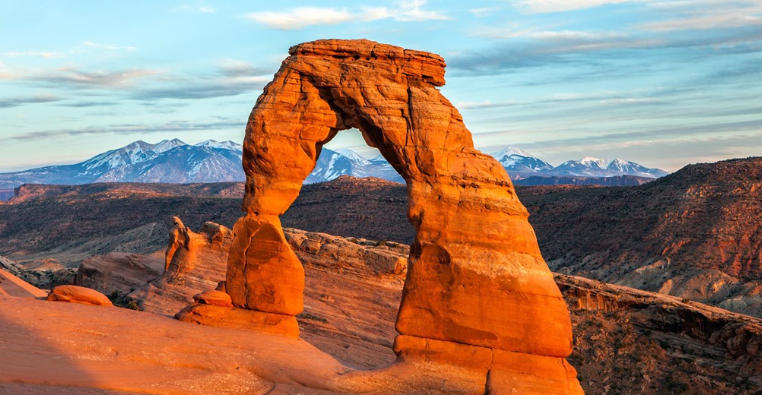
Canyonlands National Park in Utah is a breathtaking expanse of dramatic rock formations, canyons, and mesas, primarily shaped by the relentless forces of erosion. While most visitors marvel at the park’s spectacular scenery, few grasp the complex and often hidden forces working tirelessly to carve these landscapes. Understanding these processes enhances our appreciation of this natural wonder and highlights the delicate balance of nature at play.
The Role of Water in Erosion
Water is one of the most powerful agents of erosion in Canyonlands. The region experiences both intense rainstorms and seasonal snowmelt, which contribute to the erosion process. As rainfall collects and rushes through the canyons, it cuts into the rock, gradually deepening and widening them over time. Moreover, seepage from underground water sources can weaken the rock structure, leading to further breakdown. Even in this arid environment, the significant presence of water dramatically influences the land’s shape and progression.
Wind Erosion and its Impact
In addition to water, wind plays a crucial role in shaping the Canyonlands. The park’s high desert climate and strong gusts can wear away rock surfaces and transport fine particles over vast distances. This wind erosion contributes to the formation of unique features like hoodoos and arches. The constant battering by wind also exposes softer rock layers, allowing quicker erosion and more rapid changes in landscape. Understanding the effectiveness of wind as an erosive force underscores its importance in the natural sculpting of this striking terrain.
The Influence of Temperature Fluctuations
The temperature swings in Canyonlands, ranging from scorching daytime heat to freezing nighttime lows, also contribute to erosion in subtle yet significant ways. This fluctuation leads to a process known as freeze-thaw weathering. When water seeps into cracks in the rock and freezes, it expands, widening the cracks. As this cycle repeats, it gradually breaks down the rock, making it more susceptible to both wind and water erosion. This phenomena reveals the intricate interplay between temperature and erosion, demonstrating that even the smallest changes in climate can have lasting impacts on the landscape.
Canyonlands: A Testament to Nature’s Forces
Canyonlands National Park is an extraordinary testament to the forces of nature, where the visible beauty we see today is backed by complex and multi-layered processes of erosion. By understanding the hidden forces at work—water, wind, and temperature fluctuations—we can develop a deeper appreciation for this remarkable landscape. The next time you hike the trails or gaze out over the canyons, take a moment to consider the dynamic forces that shaped the views before you.
Inspiring Curiosity and Exploration
Canyonlands National Park not only offers stunning vistas but also serves as a living classroom about the ever-changing earth beneath our feet. Whether you’re a budding geologist, an outdoor enthusiast, or simply someone in awe of nature, there’s always more to discover. So why not plan a visit, explore the trails, and witness the beauty of erosion firsthand? Adventure awaits in Canyonlands!