
The Geology of the Appalachian Trail
The Appalachian Trail (AT) is not only a haven for hikers and nature lovers but also a remarkable showcase of geological diversity. Spanning approximately 2,200 miles from Georgia to Maine, the trail traverses a variety of landscapes, each with its own unique geological features. Understanding these formations can enhance your outdoor experience and appreciation for this iconic American trail.
Formation of the Appalachian Mountains
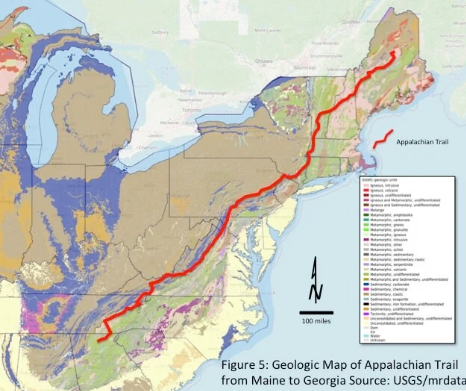
The Appalachian Mountains are among the oldest mountain ranges in North America, with their formation dating back over 480 million years. Originally formed through the collision of tectonic plates, these mountains have been shaped by countless geological processes, including erosion and glaciation. As you hike through the trail, you’ll notice the variation in rock types, such as sedimentary, igneous, and metamorphic. These rocks tell a story of Earth’s history and the forces that have molded the landscape over eons.
Unique Rock Formations and Soil Types
Each section of the Appalachian Trail features unique rock formations that contribute to the varying soil types found along the route. In the southern regions, you’ll encounter granite and gneiss, providing a sturdy substructure. As you move northward, especially through the Pennsylvania and New York sections, sandstone and shale become more dominant. This diversity in rock types influences the fertility of the soil, which in turn supports a wide variety of flora and fauna. For nature enthusiasts, this is not just a trail; it’s an ecosystem rich in biodiversity shaped by the underlying geology.
Glacial Influences on the Landscape
In addition to ancient tectonic forces, more recent glacial activity has played a significant role in sculpting the geography of the Appalachian Trail. During the last Ice Age, massive glaciers carved out valleys and shaped peaks, creating the dramatic topography we see today. These glacial processes also led to the formation of beautiful features like kettle ponds and cirques. Hikers traversing the higher elevations often find themselves walking along ridges carved by these ancient glaciers, a reminder of the power of nature at work.
In conclusion, the geology of the Appalachian Trail is not just a backdrop for hiking but a vivid narrative of Earth’s history. Learning about the rock formations, soil types, and glacial influences can enhance your journey and deepen your connection to this remarkable landscape. Whether you’re an avid hiker or a casual nature lover, take a moment to appreciate the geological wonders that make the Appalachian Trail truly unique. So, lace up your hiking boots and hit the trail—there’s a world of discovery waiting for you!