
The Geology of the Appalachian Mountains
The Appalachian Mountains are not only one of the oldest mountain ranges in North America but also a fascinating example of geological evolution. Stretching over 1,500 miles from Newfoundland in Canada to Georgia in the United States, these mountains tell a rich story of Earth’s history, making them a captivating subject for anyone interested in geology, nature, or history.
The Age and Formation of the Appalachians
The Appalachian Mountains began forming more than 480 million years ago during a period known as the Ordovician. Their age makes them significantly older than most other mountain ranges, like the Rockies. Initially shaped by volcanic activity and the tectonic collision of continental plates, these mountains have since undergone numerous phases of erosion and sedimentation. The result is a diverse landscape that includes everything from rugged peaks to rolling hills, showcasing a rich variety of geological formations. Understanding this ancient formation gives us insight into the dynamic processes that have shaped our planet over millions of years.
Key Geological Features
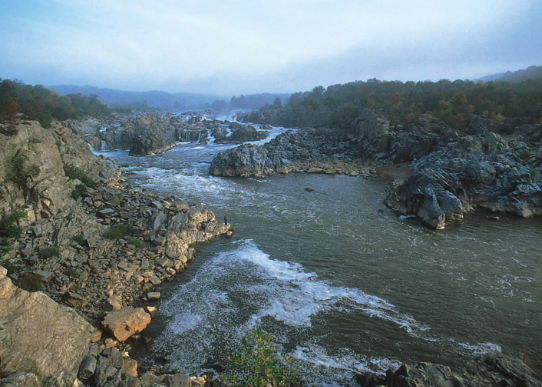
One of the standout features of the Appalachian Mountains is their diverse geology, which includes metamorphic rocks, sedimentary layers, and ancient volcanic remnants. The Blue Ridge Mountains, part of this range, are known for their stunning granite outcroppings, while the Great Smoky Mountains showcase a mixture of sedimentary and metamorphic rocks. This variety not only contributes to the breathtaking vistas but also supports a rich ecosystem that is home to thousands of plant and animal species. The complex layering of rocks tells a tale of shifting environments, revealing how climate and biological changes have interacted throughout history.
Environmental Impact and Conservation
The unique geology of the Appalachian Mountains has a significant impact on local ecosystems and climate. The varied elevation creates microclimates enabling diverse habitats to thrive. However, this geological treasure is under threat due to climate change, deforestation, and invasive species. Conservation efforts are critical to preserve both the geological integrity and the rich biodiversity that these mountains harbor. Numerous organizations are working towards sustainable practices to ensure that future generations can enjoy and learn from this ancient landscape.
In Conclusion
The geology of the Appalachian Mountains provides us with a fascinating glimpse into the Earth’s history and its ever-changing landscapes. By understanding their formation, key features, and the importance of conservation, we can appreciate the rich natural heritage these mountains offer. Whether you’re a geology enthusiast, a hiker, or simply someone who enjoys nature, there’s always more to discover. Take the time to explore this magnificent range and delve deeper into its stories. Happy exploring!