
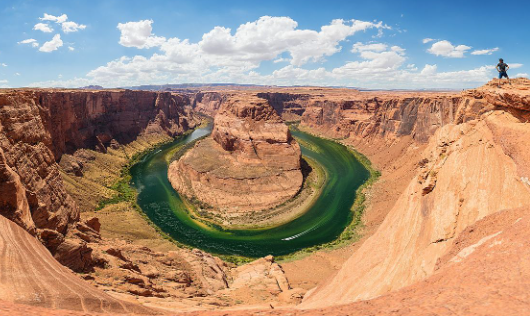
The Geology Behind Horseshoe Bend
Horseshoe Bend, located a stone’s throw from Page, Arizona, captivates visitors with its stunning views of the Colorado River as it winds in a dramatic U-shape through the landscape. But beyond its breathtaking aesthetics, this natural wonder holds fascinating geological significance that sheds light on the earth’s transformative processes. Understanding its formation helps us appreciate the beauty around us even more and connects us to the vast history of our planet.
The Formation of Horseshoe Bend
Horseshoe Bend is a prime example of a river meander, which occurs when a river’s flow erodes its banks over time, creating curves that can become quite pronounced. The formation of Horseshoe Bend began over millions of years as the Colorado River carved its way through layers of rock, shaping the canyon walls that surround it. As softer materials eroded away, more resistant rock layers remained, forming the steep cliffs we see today. The combination of water flow, geological composition, and time has led to this iconic shape, making it an incredible showcase of nature’s artistry.
The Role of Erosion
Erosion is the main force behind the captivating designs of Horseshoe Bend. The constant movement of water chips away at the rock, gradually shaping the land. Factors like the river’s speed, the type of rock, and weather conditions all influence the rate of erosion. Over millennia, this relentless process has deepened and widened the canyon, resulting in the dramatic drop-offs that provide the perfect viewpoint for visitors. Erosion also reveals different rock layers, offering a glimpse into the geological history of the region, making it a valuable site for both education and tourism.
Sedimentary Layers and Their Significance
The rock formations around Horseshoe Bend are primarily composed of sedimentary layers, which were deposited over millions of years. These layers are rich in fossils and minerals, telling the story of the ancient environments that existed long before modern humans walked the earth. Each layer of rock has different properties and colors, creating a stratified look that is visually stunning. Geologists study these layers to learn about past climates, ecosystems, and even tectonic movements, making Horseshoe Bend not just a feast for the eyes but also a treasure trove of geological knowledge.
Conclusion
Horseshoe Bend is not just a breathtaking view but a remarkable testament to the forces of nature that have shaped our world. From the intricate processes of erosion to the storytelling sedimentary layers, every aspect of this natural wonder invites us to explore and learn more about the geological history of the Earth. If you’re fascinated by geology or simply want to experience one of nature’s masterpieces, visiting Horseshoe Bend should be on your bucket list. Discover the beauty of the landscape and the science behind it—your adventure awaits!