
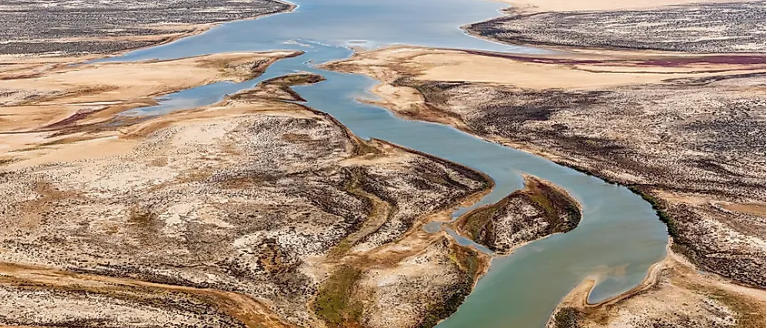
Lake Eyre, located in South Australia, is one of the largest salt flats in the world and holds significant geological interest. Its unique formation and the environmental conditions surrounding it provide valuable insights into past climates, geological processes, and the evolution of arid landscapes. Understanding Lake Eyre offers a window into Earth’s history and the dynamic processes that continue to shape our planet.
Formation and Geological History
Lake Eyre’s current form is a remnant of a vast inland sea that existed approximately 15 million years ago. The lake’s basin is situated in a region known as the Lake Eyre Basin, created by the geological processes of sedimentation and tectonic activity. Over time, shifting tectonic plates allowed the basin to collect water from surrounding river systems, leading to its formation as a saline lake system. The subsequent evaporation processes have left behind extensive salt flats, offering a striking landscape that tells the story of Earth’s climatic shifts.
Hydrology and Ecosystem Dynamics
The hydrology of Lake Eyre is marked by its highly variable water levels, which depend significantly on rainfall and river inflows, particularly from the Adelaide River and the Diamantina River. During periods of heavy rainfall, the lake can fill, creating a temporary wetland habitat that supports a variety of bird species and other wildlife. However, in drier periods, the lake’s surface transforms into a vast expanse of salt crust, demonstrating the resilience of life in extreme conditions and the adaptations necessary for survival in such a harsh environment.
Implications for Climate Change Research
Lake Eyre serves as a crucial site for climate change research, providing evidence of historical climate patterns and shifts. Sediment cores extracted from the lake bed reveal information about past environmental conditions, including periods of flooding and drought. By studying these sediments, scientists can better understand how climate change might affect similar ecosystems in the future, making Lake Eyre an important reference point for predicting ecological responses to ongoing environmental changes.
Exploring the geological significance of Lake Eyre enriches our understanding of natural processes and climatic history. Its unique landscape and dynamic ecosystems not only captivate visitors but also serve as vital indicators of our planet’s environmental health. Learn more about Lake Eyre and consider the broader implications of its geological features as we continue exploring the Earth’s remarkable history.