
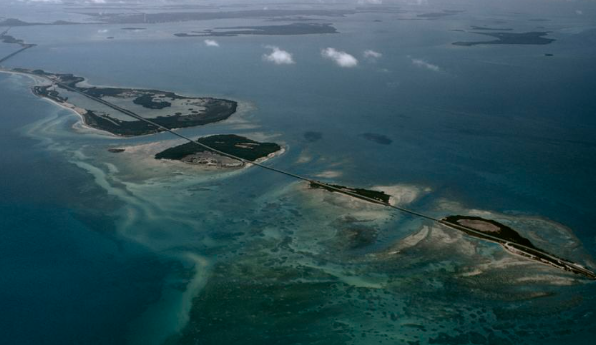
The Geologic Story of the Florida Keys
The Florida Keys are not just a picturesque vacation destination; they also hold a captivating geological story shaped by millions of years of natural processes. Understanding the formation and evolution of these islands can enrich your appreciation for their unique landscapes and diverse ecosystems. Let’s dive into the fascinating geology of the Florida Keys.
Formation of the Keys
The Florida Keys originated from a series of coral reefs that began forming over 6,000 years ago. As ocean temperatures rose and sea levels fluctuated, coral polyps flourished, creating massive limestone structures. These reefs evolved into islands as sea levels stabilized and land emerged. The most significant geological influence came from the nearby Florida Platform, a submerged extension of the continental shelf that provided the essential foundation for the Keys. Over time, these geological elements combined to create the stunning archipelago we enjoy today.
Coral Reefs and Biodiversity
One of the most remarkable features of the Florida Keys is their extensive coral reef systems, which are among the largest in the world. These reefs not only provide stunning underwater landscapes but also support a vast range of marine life, including vibrant fish, sea turtles, and various mollusks. The reefs play a vital role in protecting the shores from erosion and storm damage, acting as natural barriers. The biodiversity found in these ecosystems is a direct result of the geological processes that created them, making the conservation of these areas crucial for maintaining their beauty and ecological health.
Impact of Climate Change
The geological history of the Florida Keys does not end with their initial formation; it continues to evolve in the context of climate change. Rising sea levels pose a significant threat to the islands, as they have already begun to affect their landscapes and ecosystems. Increased ocean temperatures also lead to coral bleaching, which can damage or destroy these vital habitats. Understanding the geological past of the Florida Keys can provide valuable insights into how these islands will adapt (or struggle) in response to ongoing climatic changes. Awareness and actions toward their preservation are essential for ensuring that future generations can enjoy the unique beauty and biodiversity of the Keys.
Conclusion
The geology of the Florida Keys tells a fascinating story of resilience and adaptation shaped by natural forces over millennia. From their formation as coral reefs to their current status as a diverse ecosystem, the Keys are a testament to the intricate relationship between geology and the environment. Whether you’re a visitor or a resident, taking the time to appreciate this story can deepen your connection to this beautiful region. Explore the magic of the Florida Keys and contribute to their preservation for years to come!