
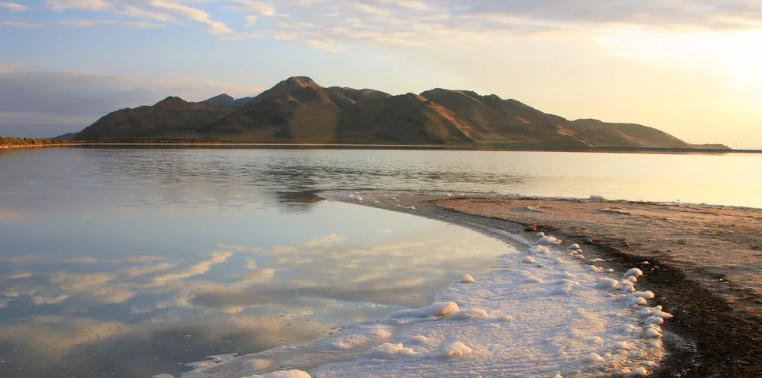
The Great Salt Lake, a unique and stunning natural feature in northern Utah, has a fascinating geological history that dates back millions of years. Understanding its geologic past not only sheds light on the lake’s formation but also reveals the broader story of the region’s climatic and environmental changes. By exploring this history, we can better appreciate the ecological significance of the lake today.
Formation of the Great Salt Lake
The Great Salt Lake is a remnant of a much larger body of water known as Lake Bonneville, which existed during the last Ice Age around 30,000 years ago. As the climate warmed and glaciers melted, Lake Bonneville began to evaporate, shrinking in size and leaving behind the Great Salt Lake we see today. This transformation is not just a product of natural erosion and evaporation; it displays the dynamic interplay between water and land over millennia. Understanding this formation helps to illustrate how climate change has continually shaped the geography of the region.
Salinity and Ecosystem Changes
Unlike most lakes, the Great Salt Lake is hypersaline, meaning it has a high concentration of salt. The salinity is a direct result of the lake’s evaporation exceeding its inflow from rivers and streams. Over time, this saltiness has created a unique ecosystem that supports various life forms, including brine shrimp and migratory birds. These adaptations emphasize the resilience of life, illustrating how species evolve and thrive in challenging environments. Additionally, the lake’s changing salinity levels over geological timescales highlight the ongoing shifts in the region’s climate and demographics.
Cultural and Economic Importance
The Great Salt Lake has not only shaped the landscape but has also played a significant role in the culture and economy of northern Utah. For thousands of years, Native American tribes such as the Shoshone have utilized the lake and its surrounding lands for resources. In modern times, the lake’s unique minerals, including magnesium and potassium, have become valuable for industry. The lake also attracts tourists and outdoor enthusiasts, offering recreational opportunities, wildlife watching, and a picturesque landscape. This blend of natural history and human interaction demonstrates how the Great Salt Lake continues to be an integral part of life in Utah.
In conclusion, delving into the geological past of the Great Salt Lake reveals a rich tapestry of history, ecosystem dynamics, and cultural significance. Whether you’re a local resident or a curious traveler, taking the time to learn more about this remarkable body of water can deepen your appreciation for its beauty and importance. So why not explore the Great Salt Lake yourself? Visit its shores, engage with its ecological diversity, and witness firsthand the geological marvels of this incredible natural wonder!