
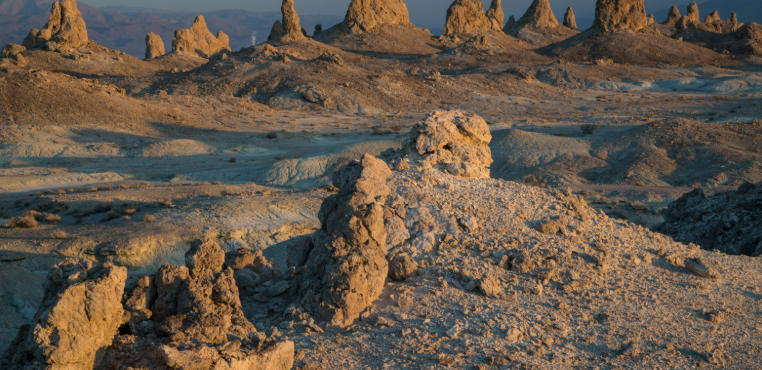
The Mojave Desert is a captivating region characterized by its unique landscapes and remarkable geological features. Understanding its geologic history not only sheds light on the processes that shaped this arid landscape but also provides insight into the ecological and cultural significance of the area. Let’s explore the key chapters of the Mojave’s geologic story together.
Formation of the Mojave Desert
The history of the Mojave Desert began over 600 million years ago during the Precambrian era. At this time, the region was underwater, with ancient seas surrounding various landmasses. As tectonic activity shifted, these waters receded, and sedimentary layers began to accumulate. Over millions of years, processes such as volcanic activity and sediment deposition formed the distinct rock formations we see today, including notable sites like the Kelso Dunes and the Cima Volcanic Field. This ancient foundation set the stage for the desert’s development and its evolution into the unique environment we know today.
Uplift and Erosion
One of the standout features of the Mojave Desert is its varied topography, shaped significantly by uplift and erosion throughout its history. The Mojave River Valley, for instance, developed due to tectonic forces that uplifted the surrounding mountain ranges, such as the San Bernardino and the Sierra Nevada. As these mountains rose, rivers and streams carved into the landscape, wearing down rocks and creating distinctive canyons and valleys. The effects of erosion have also led to the formation of striking features like Joshua Tree National Park, where unique rock formations tell stories of ancient volcanic activity and weathering processes.
Climate Changes and Ecosystems
The climate of the Mojave Desert has gone through drastic changes over geological time, contributing to its rich biodiversity. In the past, the desert experienced periods of moist, temperate climates, supporting lush vegetation and a variety of wildlife. This fluctuating climate has influenced the flora and fauna, leading to the adaptation and evolution of species unique to the region, such as the iconic Joshua tree. Today, the Mojave is known for its harsh desert conditions, which have fostered a resilient ecosystem that showcases the various life forms that thrive in extreme environments. Exploring these adaptations provides a deeper appreciation of the resilience of nature.
Conclusion
The geologic history of the Mojave Desert is a fascinating journey through time, revealing the forces that shaped its landscapes and ecosystems. From the ancient seas to modern-day dry conditions, understanding this history enriches our appreciation of the region’s natural beauty. If you’re interested in learning more about the Mojave’s diverse geology and ecology, consider planning a visit or delving into further research—there’s so much to explore!