
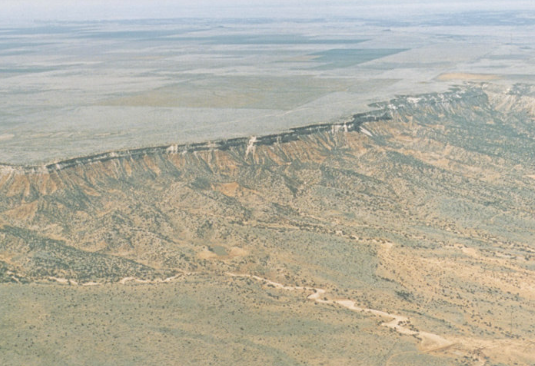
The Geologic Evolution of the Great Plains
The Great Plains of North America is a region not only renowned for its vast landscapes but also for its intricate geological history. Understanding the evolution of these plains offers valuable insights into the processes that shaped our environment and helps us appreciate the significance of this diverse ecosystem.
Formation of the Plains
The Great Plains emerged from a series of geological processes spanning millions of years. Initially, this area was covered by seas and shallow marine environments during the late Cretaceous period, around 100 million years ago. As tectonic plates shifted, land uplifted, and water receded, sediments were deposited, shaping the landscape we see today. The subsequent erosion of mountains and the deposition of minerals created fertile soil, making the Great Plains one of the most productive agricultural regions in the world.
Glacial Impact
The most recent glacial epoch, known as the Pleistocene, had a profound effect on the Great Plains. As glaciers advanced and retreated, they sculpted the terrain, leaving behind unique features such as moraines and glacial lakes. Additionally, the melting glaciers contributed to the rich aquifers that supply water to the plains today. Understanding these glacial influences helps us appreciate the intricate interplay between climate and geology, showcasing how past events shape current natural resources.
Ecosystem Development
The geological evolution of the Great Plains has also fostered a diverse range of ecosystems. The variety of soils, from fertile prairies to arid regions, supports an array of vegetation and wildlife. Grasslands dominate the landscape, providing essential habitats for many species. This rich biodiversity is a direct result of the region’s geological history, which has created a delicate balance between climate, soil, and living organisms. By studying these ecosystems, we can better understand the impact of human activities and climate change on this vital region.
In conclusion, the geologic evolution of the Great Plains is a captivating story that highlights the complex interplay of natural forces over millions of years. By learning about the origins and transformations of this incredible landscape, we deepen our appreciation for its beauty and ecological importance. To explore more about the Great Plains and its vast history, consider visiting local geological sites or museums, or reading related literature to expand your knowledge.