
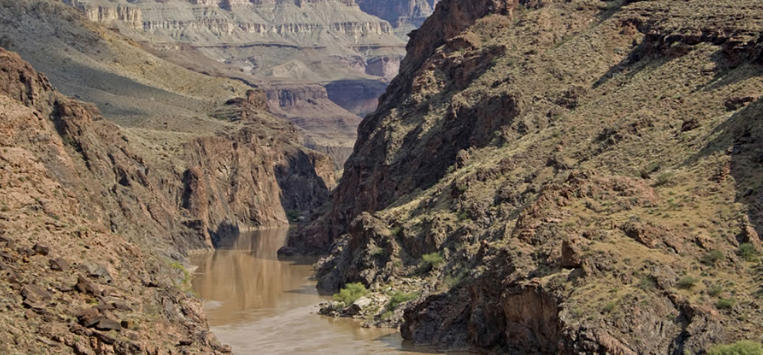
The Grand Canyon is not only a breathtaking natural wonder but also a fascinating geological playground that reveals a timeline of Earth’s history spanning billions of years. Understanding the ages of the major rock formations in this iconic landscape helps us appreciate the dynamic processes that have shaped our planet.
The Oldest Rocks: Vishnu Schist
At the bottom of the Grand Canyon lies the ancient Vishnu Schist, estimated to be about 2 billion years old. This metamorphic rock, composed of schist and gneiss, offers a glimpse into Earth’s early geological processes. The Vishnu Schist is part of the Zoroaster Granite, which gives insight into the area’s volcanic activity during the Precambrian era. Studying these rocks not only illuminates the conditions under which they formed but also reveals the tectonic activities that have influenced the region for eons.
Sedimentary Layers: The Paleozoic Era
Above the Vishnu Schist, you’ll encounter layers of sedimentary rock that were deposited during the Paleozoic Era, roughly 540 to 250 million years ago. These formations, such as the Bright Angel Shale and the Kaibab Limestone, provide important evidence of ancient environments, including vast shallow seas and desert landscapes. The fossils found in these layers, like trilobites and corals, help scientists reconstruct the history of life on Earth and understand how ecosystems have evolved over time.
The Late Mesozoic Era: Grand Canyon’s Younger Rocks
As you move higher in the geological timeline, rocks that formed during the Mesozoic Era, approximately 250 to 66 million years ago, come into view. The Navajo Sandstone and the Moenave Formation, both from this period, are rich in sandstone that once comprised vast sand dunes and river systems. These younger rocks provide insights into the climatic conditions and environmental changes that occurred while dinosaurs roamed the Earth. The vibrant colors and unique shapes of these formations highlight the ongoing erosion and geological activity that continues to shape the Grand Canyon today.
Conclusion
The rocks of the Grand Canyon tell a remarkable story that spans billions of years, offering valuable insights into Earth’s history, climate, and evolution. By learning about the various geological ages represented in this majestic canyon, we can deepen our appreciation for our planet’s intricate past. If you’re interested in exploring more about the geology of the Grand Canyon or planning a visit to witness its beauty firsthand, consider delving into resources or guided tours that can enhance your understanding of this geological treasure.