
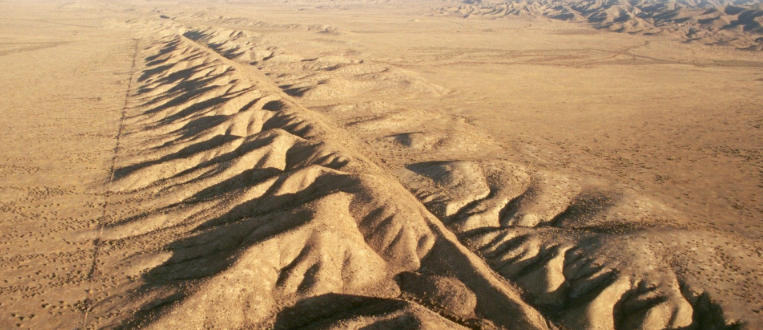
California’s coastline is not just a stunning landscape of beaches and cliffs; it is also a dynamic and complex geological region shaped by fault lines and seismic activity. Understanding these features is crucial for residents and visitors alike, as they play a significant role in the area’s ecology, economy, and safety. In this post, we will explore major fault lines along California’s coast, their impact on the environment, and how to stay safe.
The San Andreas Fault: A California Icon
One of the most famous fault lines in the world, the San Andreas Fault stretches nearly 800 miles through California. It marks the boundary between the Pacific and North American tectonic plates, making it a hotspot for seismic activity. The fault is particularly notable for its potential to generate massive earthquakes, with the last significant event occurring in 1906 in San Francisco. Understanding the San Andreas Fault is essential for anyone living in or visiting California, as it influences building codes, disaster preparedness, and land use planning. Residents should stay informed about seismic safety measures, including how to “drop, cover, and hold on” during an earthquake.
The Hayward Fault: A Hidden Threat
While not as widely known as the San Andreas Fault, the Hayward Fault runs through densely populated areas in the East Bay, including cities like Berkeley and Oakland. This fault has a history of significant earthquakes, with the last major event recorded in 1868. Its location beneath urban areas raises concerns about potential damage and loss of life in the event of a major quake. Local governments and emergency services are taking steps to enhance preparedness, including community drills and building retrofits. For residents, understanding the risks associated with the Hayward Fault can encourage proactive safety measures, like creating emergency kits and communication plans.
The Impact of Climate Change on Coastal Faults
Recent research suggests that climate change could further complicate the seismic landscape of California’s coast. Rising sea levels and increased storm intensity can lead to erosion, affecting the stability of coastal fault lines. Areas previously considered safe might become more vulnerable to geological shifts. This intersection of climate and seismic activity highlights the importance of sustainable coastal management. Efforts to enhance resilience against both earthquakes and climate-related hazards are crucial for long-term safety. Communities along the coast should prioritize adaptive strategies, including restoring natural barriers and conducting comprehensive risk assessments.
In Conclusion
California’s coastal fault lines are not just geological features; they are vital elements that shape the lives of millions. By increasing awareness of these faults, we empower ourselves to be better prepared for the inevitable seismic events. Whether you are a resident or a visitor, staying informed and engaging in preparedness activities can help ensure safety amid California’s natural beauty. Learn more about earthquake preparedness and how you can play a role in your community’s safety today!