
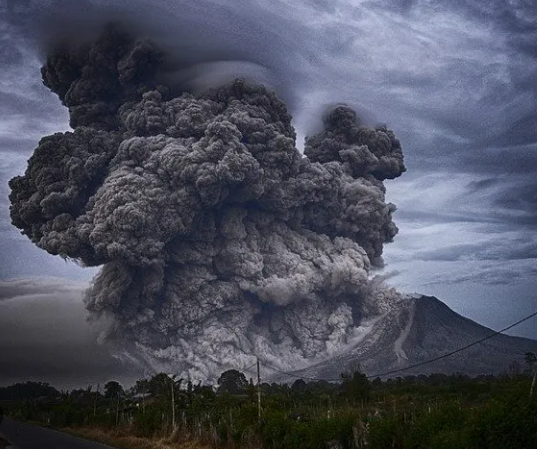
The Eruption History of Mount Rainier
Mount Rainier, standing majestically in Washington State, is not just a beautiful natural landmark; it is also one of the most active volcanoes in the United States. Understanding its eruption history is crucial, as it helps us appreciate its power and the potential impact on surrounding communities. This blog post will delve into some significant events in Mount Rainier’s eruption history, shedding light on its geological significance and the lessons learned.
Early Eruptions and Formation
The history of Mount Rainier’s eruptions dates back thousands of years. Its formation began about 500,000 years ago when volcanic activity led to the buildup of the massive stratovolcano we see today. Evidence of early eruptions is seen in layers of ash and lava deposits spread across the region. These initial eruptions shaped not only the mountain itself but also the ecosystems around it. The volcanic soil enriched the surrounding areas, promoting diverse plant and animal life.
Major Eruptions and Their Impact
One of the most notable eruptions occurred around 6,700 years ago, when Mount Rainier produced a significant lava flow that reached the Puget Sound lowlands. This event is particularly crucial for understanding the volcano’s potential hazards; the eruption generated large lahars—volcanic mudflows—that could devastate nearby communities. The most recent recognized eruption took place in the mid-19th century, from 1820 to 1854, characterized by a series of explosive events. While this eruption didn’t reach devastating proportions, it served as a reminder of Mount Rainier’s ongoing activity and the need for continuous monitoring.
Current Monitoring and Future Risks
Today, Mount Rainier is closely monitored by the United States Geological Survey (USGS) and other organizations that employ various technologies to detect early signs of volcanic activity. This monitoring is paramount, given that an eruption could trigger destructive lahars, impacting not just the park but also nearby towns like Ashford and Enumclaw. The USGS provides regular updates and educational resources to help residents prepare for potential volcanic hazards. It’s vital for those living in the area to stay informed and have an emergency plan in place.
Conclusion
Mount Rainier is a stunning yet powerful reminder of nature’s forces. Its eruption history is rich and intricate, providing valuable lessons for understanding volcanic activity. If you’re interested in learning more about Mount Rainier’s geological features or planning a visit to this beautiful national park, consider exploring educational resources, joining local tours, or participating in conservation efforts. Staying informed is not only fascinating but essential for safety in this beautiful region.