
The Deep Time Geology of the Black Canyon of the Gunnison National Park
The Black Canyon of the Gunnison National Park in Colorado is a treasure trove of geological wonders that offers a glimpse into millions of years of Earth’s history. This striking landscape, characterized by steep cliffs and deep gorges, provides not only breathtaking views but also valuable insights into the Earth’s geological processes. Understanding its deep time geology enriches our appreciation of this remarkable national park.
Formation of the Black Canyon
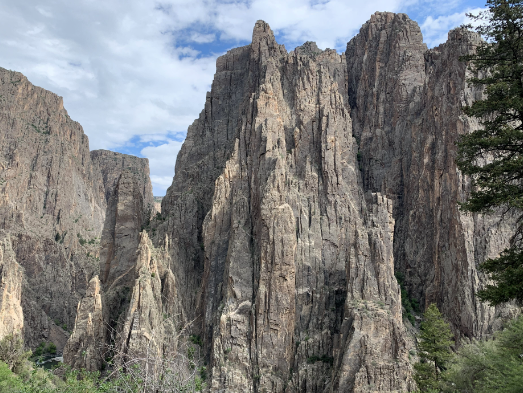
The Black Canyon’s formation began around two billion years ago, making it one of the oldest rock formations in North America. The unique geology consists primarily of Precambrian gneiss, which has been shaped by millions of years of tectonic activity and erosion. The Gunnison River has carved its way through these ancient rocks, spending ages shaping the narrow, vertical cliffs that define the canyon today. This process of erosion is still ongoing, demonstrating how natural forces continuously sculpt our landscapes.
The Role of Erosion
Erosion plays a critical role in the canyon’s appearance and geological history. The Gunnison River, along with glacial action and weathering, has cut deeply into the rock, revealing layers that reflect different periods of Earth’s history. The canyon’s steep cliffs rise dramatically, creating some of the deepest gorges in North America, with depths exceeding 2,700 feet in some places. This ongoing erosion offers scientists a vivid story of the geological processes at work, and visitors can witness the effects first-hand while exploring the park.
Ecological Impacts of Geological History
The geological history of the Black Canyon also influences its unique ecosystems. Because of the variation in elevation and microclimates, the park supports diverse plant and animal life. From lush riverbanks to barren rock faces, the differing habitats reflect the underlying geology. Species such as the elusive peregrine falcon and the endangered Colorado River cutthroat trout thrive in this dramatic environment. Understanding the geology helps visitors appreciate how these ecosystems have developed and adapted over time.
In conclusion, the Black Canyon of the Gunnison National Park is as much about its stunning scenery as it is about the deep time geology that shaped it. By exploring its geological features, you can gain a deeper appreciation for the natural processes that have crafted this unique landscape. Whether you’re a geologist or simply a nature lover, the park invites you to discover its wonders. So pack your gear, head to Colorado, and witness the captivating story written in the rocks of the Black Canyon!