
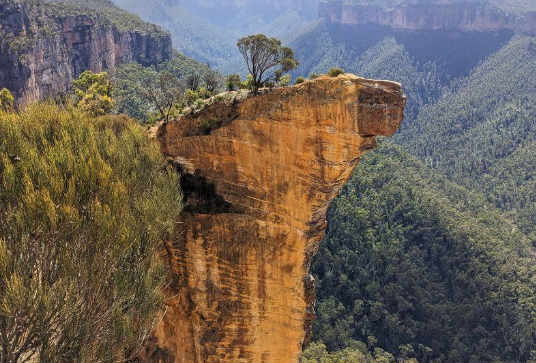
The ancient sandstone formations of the Blue Mountains in Australia are not just stunning natural landmarks; they represent a captivating interplay of geological history and cultural significance. These formations offer insights into the Earth’s evolution over millions of years while providing a unique habitat for diverse flora and fauna. Visitors and nature enthusiasts are drawn to their sheer beauty and the storied narratives hidden within their rugged cliffs and stunning landscapes.
Geological Significance
Formed over 250 million years ago, the sandstone cliffs of the Blue Mountains originated from ancient river systems and ocean sediments. Through processes of erosion and weathering, these strata were sculpted into the spectacular ridges and valleys we see today. The region’s distinct layering exhibits various hues of ochre, cream, and rust, compelling geologists to study its formation and the environmental changes over millennia. This geological history not only contributes to our understanding of the Earth but also allows us to appreciate the beauty of its natural processes.
Flora and Fauna
The unique geology of the Blue Mountains creates diverse ecosystems that support a wide array of plant and animal species. The sandstone itself contributes to varied soil types, which sustain dense forests and heathlands, essential for numerous endemic species. The region is home to over 400 species of animals, including koalas, and is recognized for its rare plants, some found nowhere else in the world. This biodiversity makes the Blue Mountains a vital area for conservation efforts while enchanting visitors with its rich natural heritage.
Cultural Heritage
The cultural importance of the Blue Mountains cannot be overlooked, as they have been inhabited by Indigenous peoples for thousands of years. The sandstone formations are steeped in Aboriginal history, with numerous sites holding spiritual significance, evidenced by rock art and cultural narratives tied to the land. Today, this rich heritage is increasingly acknowledged, fostering a deeper connection between visitors and the natural environment. Educational programs and guided tours aim to preserve these traditions, offering insight into the lived experiences and stories of the Indigenous communities.
Exploring the ancient sandstone formations of the Blue Mountains is not just an adventure; it is an invitation to engage with the Earth’s narrative, witness stunning landscapes, and appreciate the deep cultural ties to the land. As you delve into this fascinating region, consider taking part in its preservation by supporting local conservation efforts. Discover more about the natural wonders awaiting you in the Blue Mountains and the stories behind them!