
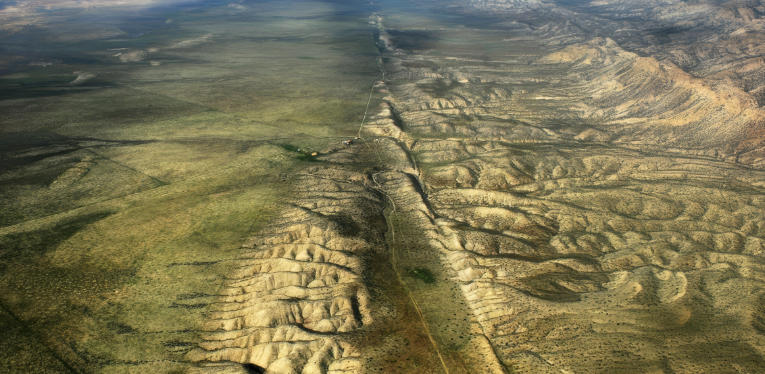
California’s breathtaking landscapes, from its towering mountains to its sprawling valleys, are not merely a result of natural erosion or climatic factors. Instead, they have been profoundly influenced by tectonic movements stemming from the dynamic interactions between the Pacific and North American plates. Understanding these processes helps us appreciate the geological wonders that define this diverse state.
The San Andreas Fault: A Geological Marvel
One of the most famous features resulting from tectonic activity in California is the San Andreas Fault. Spanning over 800 miles, this transform fault marks the boundary between the Pacific Plate and the North American Plate. As these two plates slide past one another, they create immense tension and friction, leading to frequent earthquakes. This fault serves as a reminder of the earth’s restless nature, and while it poses risks, it also provides scientists with a unique opportunity to study geological processes and improve earthquake preparedness measures.
Mountain Ranges and Valleys: Nature’s Sculptors
California is home to some of the most iconic mountain ranges, including the Sierra Nevada and the Coastal Ranges. These majestic formations arose from tectonic forces that lifted the land over millions of years. Faulting and folding, driven by the ongoing interactions between the tectonic plates, have resulted in dramatic elevation changes, creating deep valleys and rugged peaks. The geological activity has also produced rich ecosystems that support diverse flora and fauna, making the state a hotspot for nature lovers and outdoor enthusiasts.
Impact of Tectonics on Climate and Habitats
The tectonic movements in California do not just shape the physical landscape; they also have significant implications for the local climate and habitats. The varying elevations created by mountain ranges influence weather patterns, resulting in distinct microclimates across the state. For instance, the Sierra Nevada captures moisture from the Pacific Ocean, leading to lush greenery on its western slopes while creating arid conditions in the eastern valleys. This climate diversity supports a range of ecosystems, from coastal wetlands to desert landscapes, which are crucial for biodiversity in California.
In conclusion, California’s compelling landscapes owe much to the intricate dance of its tectonic plates. From the dynamic San Andreas Fault to the majestic mountain ranges, these geological processes create not only risks but also remarkable natural beauty and ecological diversity. To delve deeper into the wonders of tectonic activity and its impact on the environment, consider exploring geological resources or visiting national parks that showcase these stunning formations.