
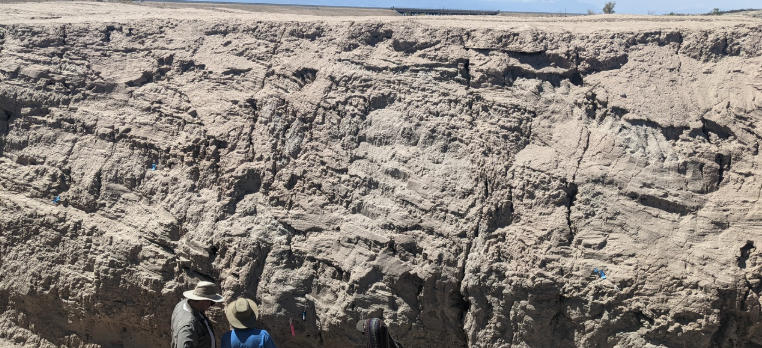
The San Andreas Fault is one of the most iconic tectonic boundaries in the world, stretching approximately 800 miles through California. This fascinating geological feature not only defines the boundary between the Pacific and North American tectonic plates, but it is also responsible for significant seismic activity in the region. Understanding this fault line is crucial for both residents and visitors alike, as it helps raise awareness and preparedness regarding earthquakes.
Seismic Activity: What You Need to Know
The San Andreas Fault is notorious for its seismic activity, having produced several significant earthquakes throughout history. The most noteworthy among them is the 1906 San Francisco earthquake, which devastated the city and is estimated to have had a magnitude of 7.8. Since then, earthquake scientists have closely monitored the fault to better understand its behavior and predict future activity. These predictions can help save lives and minimize property damage in the event of another substantial quake. Staying informed about the fault’s history and potential risks is essential for anyone living in or traveling to California.
Earthquake Preparedness: Be Ready
Due to the risk of earthquakes along the San Andreas Fault, being prepared is of utmost importance. Residents are encouraged to develop a preparedness plan, which includes identifying safe spots in their homes, assembling emergency kits, and establishing communication strategies with family and friends. Learning basic first aid and disaster response skills can also make a difference. Local communities often host workshops and drills to educate people on how to react during an earthquake. Whether you’re a longtime resident or a newcomer, staying informed and prepared can greatly increase your safety during an earthquake.
The Science Behind the Fault
Understanding the science of the San Andreas Fault adds to its intrigue. The fault operates as a transform boundary, where two tectonic plates slide past one another without creating or destroying crust. This movement can lead to a build-up of stress along the fault line, which is eventually released in the form of an earthquake. Scientists employ a variety of technologies, including GPS and seismic sensors, to study these movements and better predict when and where earthquakes could occur. This research not only enhances our knowledge of geology but also contributes to more effective earthquake preparedness and response strategies.
In conclusion, the San Andreas Fault serves as a reminder of the dynamic nature of our planet. By understanding its seismic activity, preparing for potential earthquakes, and appreciating the science behind it all, we empower ourselves and our communities to face the challenges that come with living near this magnificent geological feature. Whether you’re a resident or just visiting, gaining knowledge about the San Andreas Fault is a step toward greater safety and awareness. Don’t hesitate to explore local resources or join community preparedness programs to learn more!