
Plate Tectonics and America’s Mountain Ranges
Understanding plate tectonics is essential because it explains not only how our planet works but also how various geological features, like mountain ranges, come to be. As tectonic plates shift and interact, they shape our natural landscapes, impacting ecosystems, human settlements, and even weather patterns. In this article, we will explore how this dynamic process has formed some of North America’s most iconic mountain ranges.
The Basics of Plate Tectonics
Plate tectonics is a scientific theory that describes the movement of the Earth’s lithosphere, which is divided into several large and small plates. These plates float on the semi-fluid asthenosphere beneath them. As they move, they can collide, pull apart, or slide past one another, leading to various geological phenomena. For instance, the boundaries between these plates are often where earthquakes and volcanic activity occur. Understanding this process is crucial in many fields, including geology, seismology, and even urban planning.
Formation of the Rocky Mountains
The Rocky Mountains are one of North America’s most striking features, stretching over 3,000 miles from Canada to New Mexico. Their formation began around 80 million years ago due to the collision of tectonic plates, specifically the North American Plate and the Farallon Plate. As these plates interacted, they pushed the Earth’s crust upwards, creating towering peaks and deep valleys. This ongoing tectonic activity continues to influence the mountains today, making them a dynamic environment for wildlife and outdoor enthusiasts alike.
The Appalacian Mountains: A Different Story
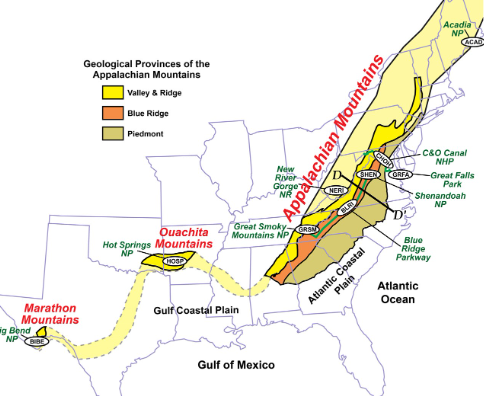
In contrast, the Appalachian Mountains boast an older geological history, formed primarily during the Paleozoic Era, around 480 million years ago. The collision of tectonic plates resulted in the folding and uplifting of sedimentary rock, creating the rugged terrain we see today. Unlike the Rockies, which are still rising, the Appalachians have been shaped by millions of years of erosion, giving them a gentler, more rounded appearance. These mountains are rich in biodiversity and offer a variety of recreational opportunities, from hiking along the Appalachian Trail to enjoying the stunning fall foliage.
Impact of Tectonics on U.S. Geography
The tectonic movements that created these mountain ranges have also shaped the geography of the entire United States. The landscape between the Rockies and the Appalachians features plains, plateaus, and valleys, offering a diverse array of habitats. These movements influence not just the physical terrain but also the climate and ecosystems throughout the country. Understanding plate tectonics helps us appreciate the complex interactions that create the natural world around us and reminds us of the power of geological processes.
Conclusion
Plate tectonics is more than just a scientific concept; it provides a lens through which we can understand the formation of North America’s spectacular mountain ranges. The ongoing movements of tectonic plates continue to shape not just the landscape but also the climate and ecosystems of the region. If you’re curious to explore more about this fascinating subject, consider visiting a national park, engaging with local geology clubs, or diving deeper into earth science education. The world of plate tectonics awaits your discovery!