
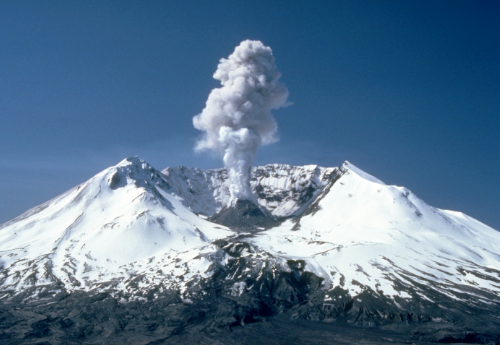
Mount St. Helens and Volcanic Activity
Mount St. Helens, located in Washington State, stands as one of the most dynamic volcanoes in the United States. Its infamous eruption on May 18, 1980, serves as a critical reminder of nature’s power and the importance of understanding volcanic activity. This blog post explores the history and significance of Mount St. Helens, shedding light on its ongoing impact on ecology and geology.
A Brief History of Eruptions
Mount St. Helens isn’t a new player in the volcanic scene; it has a storied history of eruptions dating back thousands of years. The volcano remained relatively quiet until the early 1980s, with a series of small tremors and explosive events occurring before the major eruption. The eruption on May 18, 1980, was catastrophic, with a lateral blast that leveled trees and devastated the surrounding landscape across a wide radius. Ash clouds reached heights of over 15 miles, affecting air travel and air quality even in distant states. This eruption reshaped the region, both physically and ecologically, and has since become a key study site for volcanologists.
Impact on the Ecosystem
The eruption of Mount St. Helens dramatically altered the local ecosystem, transforming lush forests into barren landscapes. Initially, it might have seemed like a disaster, but nature quickly began to reclaim the area. Years after the eruption, scientists observed a remarkable resurgence of flora and fauna. Pioneer species such as wildflowers and grasses emerged first, paving the way for more complex ecosystems to develop. This regrowth offers valuable insights into ecological succession and how life can rebound after such a catastrophic event.
Ongoing Volcanic Activity
Mount St. Helens remains an active volcano, with ongoing seismic activity that fascinates scientists and the public alike. Post-1980, the volcano has experienced numerous smaller eruptions and dome-building events. Continued monitoring is essential, as even minor eruptions can lead to ash clouds and pyroclastic flows, posing risks to nearby communities. The United States Geological Survey (USGS) provides real-time data and research on the volcano, making it a vital resource for both emergency preparedness and scientific study. Staying informed about Mount St. Helens helps communities remain ready for potential volcanic activity.
In conclusion, Mount St. Helens is not only a captivating natural landmark but also a living laboratory that offers invaluable lessons about volcanic activity and ecological recovery. Whether you are a science enthusiast, an aspiring geologist, or simply someone curious about the wonders of nature, learning about Mount St. Helens can deepen your appreciation for the Earth’s incredible forces. Consider visiting the Mount St. Helens National Volcanic Monument or exploring online resources to learn even more about this remarkable volcano!