
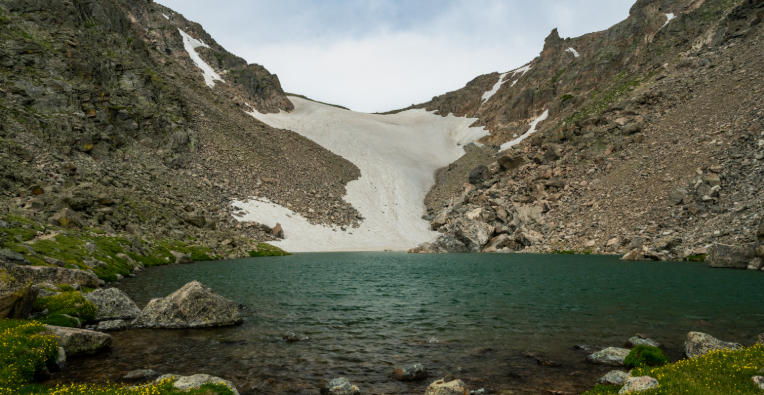
Mount Denali, North America’s highest peak, stands proud at 20,310 feet above sea level. Its towering presence is not just a visual wonder but a profound example of the forces that shape our planet. Understanding Denali’s formation through tectonic uplift offers insight into geological processes that continue to shape the Earth today.
The Formation of Denali
Mount Denali’s journey to becoming the highest peak in North America began millions of years ago due to tectonic activity. The mountain is part of the Alaska Range, formed primarily by the collision of the North American and Pacific tectonic plates. This collision caused intense pressure and resulted in the folding and uplifting of the Earth’s crust. As a result, Denali not only rises high into the atmosphere but also showcases geological features like folds and fault lines, telling a story of the earth’s dynamic nature.
Tectonic Forces at Work
The tectonic uplift that created Mount Denali is still in progress. The region remains seismically active, indicating that the Earth beneath is constantly shifting and adjusting. The collision of the tectonic plates continues to push Denali higher over time, albeit at a gradual rate. This ongoing process not only contributes to the elevation of the mountain but also leads to the formation of other geological features in the region, such as valleys and glacial formations that offer breathtaking views and unique ecosystems.
Glaciers and Erosion: Nature’s Sculptors
While tectonic forces are responsible for Denali’s height, erosion plays an equally vital role in sculpting its landscape. Glaciers, formed from compacted snow, have carved deep valleys and sharp ridges into the mountain over thousands of years. These glaciers can be seen today, flowing down from Denali and creating stunning vistas. As glaciers retreat and advance, they reshape the mountain’s profile, illustrating the continuous interplay between uplift and erosion. This balance is crucial for understanding not only Mount Denali’s history but also the future of its geological landscape.
In conclusion, Mount Denali serves as a striking reminder of the power of tectonic uplift and the beauty of geological processes. By learning about these forces, we gain a greater appreciation for the natural world and its ongoing evolution. To delve deeper into the fascinating world of geology and mountains like Denali, consider hiking in national parks, visiting geological exhibitions, or simply exploring more about tectonic plate theory.