
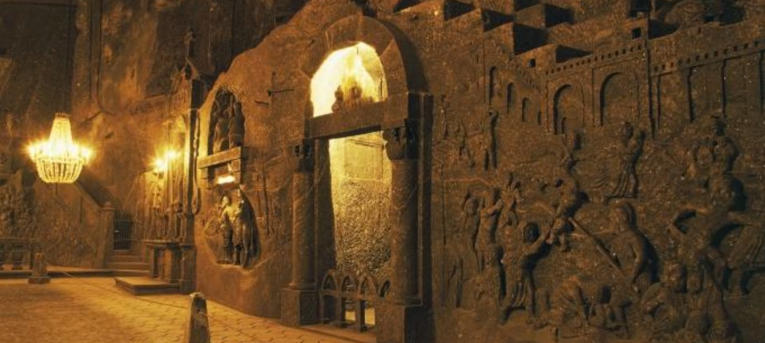
Underground towns serve as fascinating windows into our planet’s geological history, revealing how human ingenuity has adapted to the unique challenges posed by subterranean environments. These hidden communities not only provide insights into past cultures and their relationships with the earth but also showcase how geology influences settlement patterns and architectural choices. Understanding these underground spaces can deepen our appreciation for both human resilience and the natural world.
Geological Foundations of Underground Towns
The formation of underground towns is often closely tied to specific geological conditions, such as the availability of soft rock or the presence of extensive cave systems. For instance, limestone and volcanic tuff provide excellent materials for carving out spaces that house homes, shops, and even entire communities. The geological processes that create these formations reveal a lot about the Earth’s history, including periods of volcanic activity, erosion, and sedimentation, which have all contributed to the development of subsurface environments.
Cultural Adaptations and Innovations
Human settlements in underground locales have developed unique cultural practices shaped by their environment. For example, in historical underground towns like Cappadocia in Turkey, residents designed intricate dwellings that not only provided shelter from harsh weather but also offered safety from potential invaders. These adaptations highlight the resourcefulness of communities in utilizing their geological surroundings, demonstrating how necessity can drive architectural innovation and social organization.
Modern Implications and Sustainability
In contemporary times, the concept of underground towns is gaining renewed interest, particularly in discussions about sustainability and urban planning. As urban populations grow, space becomes more limited, prompting many to consider subterranean expansions as viable alternatives. These developments can reduce urban sprawl, minimize environmental impact, and leverage the natural insulation provided by earth layers. Moreover, understanding the geological history of these areas can guide responsible development that respects the integrity of the underlying land.
Exploring the relationship between underground towns and geological history encourages us to appreciate the dynamic interplay between humanity and the natural world. As we uncover more about these remarkable spaces, we can inspire future innovations that harmonize with our planet’s geological features. Consider delving deeper into this topic—there’s a lot more to discover!