
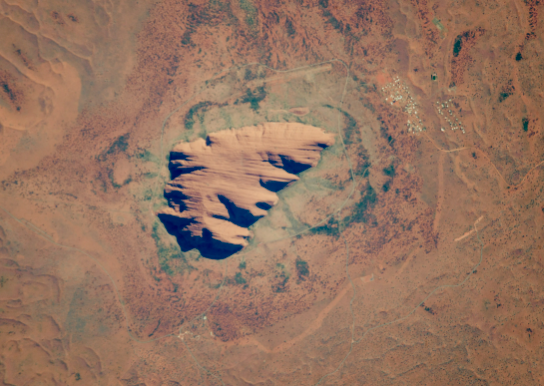
Understanding the formation of natural wonders like Uluru deepens our appreciation for Earth’s geological history. This iconic monolith in Australia not only serves as a cultural landmark but also represents millions of years of geological evolution. Exploring how Uluru formed provides insights into the forces that shape our planet and enriches our connection to the environment.
The Geological Origins of Uluru
Uluru, also known as Ayers Rock, is primarily composed of sandstone, a rock formed from sediment that accumulated over 550 million years ago. The region was once submerged beneath an ancient sea, where layers of sand were deposited and compacted over eons. As the tectonic plates shifted, this sediment was uplifted, forming the massive structure we see today, shaped by erosion and weathering over time.
Natural Forces at Play
The formation of Uluru is a testament to the powerful natural forces that affect Earth’s landscape. Wind and water erosion have played significant roles in sculpting the rock, revealing its distinctive cliffs and features. These processes have not only enhanced its visual appeal but also contributed to the site’s spiritual significance to the Indigenous Anangu people, who have inhabited the area for tens of thousands of years.
Uluru’s Ongoing Evolution
Interestingly, Uluru continues to change, albeit at an imperceptible pace to the human eye. Geological processes such as weathering and erosion are still active, gradually reshaping its contours. This continuous evolution reminds us that Uluru is not merely a static monument but a dynamic part of Earth’s history, inviting us to reflect on our connection to nature and the passage of time.
Exploring the formation and geological significance of Uluru inspires us to appreciate the wonders of our planet. If you’re fascinated by natural history, consider delving deeper into Earth’s geological processes or planning a visit to experience Uluru’s majesty firsthand. Every journey to such sites enriches our understanding and fosters a greater respect for the world around us.