
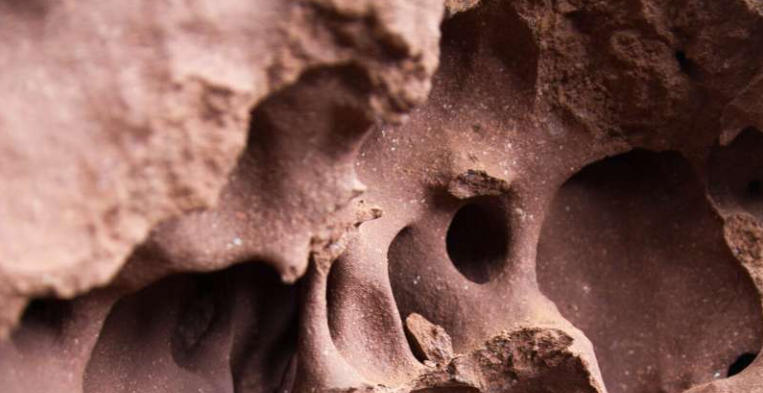
The Cathedral Termite Mounds are remarkable structures that showcase the intricate relationship between time, nature, and the ingenuity of one of Earth’s smallest architects: termites. Understanding how time has sculpted these mounds is crucial for appreciating their ecological significance and the adaptive behaviors of the insects that construct them. This exploration reveals not only fascinating biological processes but also broader implications for environmental sustainability and architectural design.
The Fascinating Design of Cathedral Termite Mounds
Cathedral termite mounds are characterized by their tall, cathedral-like structures that can reach heights of up to 6 meters (20 feet). These intricate edifices are built using soil, saliva, and feces, creating a composite material that is remarkably strong and resilient. Over time, as environmental conditions fluctuate, these mounds evolve, showcasing adaptations to climate and terrain. The internal architecture of the mounds, including their ventilation systems, illustrates how termites have optimized their living conditions over generations, demonstrating a remarkable example of natural engineering.
The Role of Time in Mound Formation
Over decades, and sometimes centuries, Cathedral termite mounds undergo continuous modification and enhancement by successive generations. Each new colony adds to the structure, using the existing mound as a foundation while also making improvements based on learned behaviors and environmental changes. This long-term construction process allows the mounds to grow more complex over time, with internal chambers and tunnels that regulate temperature and humidity, ensuring a stable habitat for the colony even in harsh conditions.
Implications for Ecosystems and Human Innovation
The gradual sculpting of Cathedral termite mounds plays a vital role in their surrounding ecosystems. As they decay and break down, these mounds contribute to soil fertility, enhancing plant growth in the area. Furthermore, the study of these structures is inspiring biomimicry in human architecture, where principles gleaned from termite mound construction inform sustainable building practices. Observing how time and natural processes influence these mounds can lead to innovative designs that allow for better resource management and environmental harmony.
Exploring the relationship between time and the Cathedral termite mounds offers profound insights into nature’s resilience and adaptability. As these fascinating structures continue to evolve, they remind us of the countless interactions that shape our environment. If you’re intrigued by the wonders of nature and innovation, consider delving deeper into this topic and discovering the intricate connections that influence both the natural world and human ingenuity.