
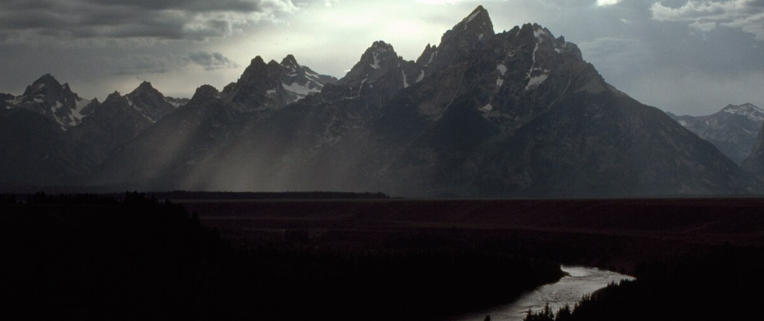
The Rocky Mountains are not just a stunning backdrop for outdoor adventures; they are a remarkable testament to Earth’s dynamic geological history. Understanding how these majestic mountains were formed can deepen our appreciation for nature and provide insights into tectonic processes that continue to shape our planet.
How the Collision of Plates Shaped the Rockies
One of the primary forces behind the formation of the Rocky Mountains is the collision of the North American tectonic plate with various smaller plates. This process, known as orogeny, began approximately 80 million years ago during a period known as the Laramide Orogeny. During this time, tectonic pressure caused the Earth’s crust to buckle and fold, leading to the rise of massive mountain ranges. These tectonic activities not only shaped the Rockies but also created diverse geological features that we see today, including deep valleys and rugged cliffs.
The Role of Erosion in Shaping the Landscape
While tectonic processes initiated the Rockies’ formation, erosion has played a significant role in sculpting their current form. Over millions of years, weathering and erosion from wind, water, and ice have worn down the initial rugged peaks, creating the more picturesque landscapes we now cherish. Glacial activity, in particular, has carved many of the distinctive U-shaped valleys and sharp ridges that define the range. This interplay between uplift and erosion continues to shape the mountains even today, making them a living geological marvel.
The Importance of the Rockies in Today’s World
The Rocky Mountains are not just a natural wonder; they also hold significant ecological, economic, and cultural importance. They provide vital habitats for countless species of wildlife, including bears, eagles, and elk. Additionally, the range serves as a crucial water source, impacting agriculture and urban areas in the surrounding regions. Culturally, the Rockies have been a source of inspiration for art, literature, and outdoor recreation, drawing millions of visitors each year to explore their breathtaking beauty.
In conclusion, the creation of the Rocky Mountains is a fascinating tale of tectonic forces and natural erosion. By understanding their formation, we not only gain knowledge of geological processes but also develop a deeper appreciation for the awe-inspiring landscapes they offer. Whether you’re hiking, skiing, or simply enjoying the view, take a moment to reflect on the ancient forces that shaped these majestic mountains. Interested in learning more? Explore geology resources or plan a trip to experience the Rockies firsthand!