
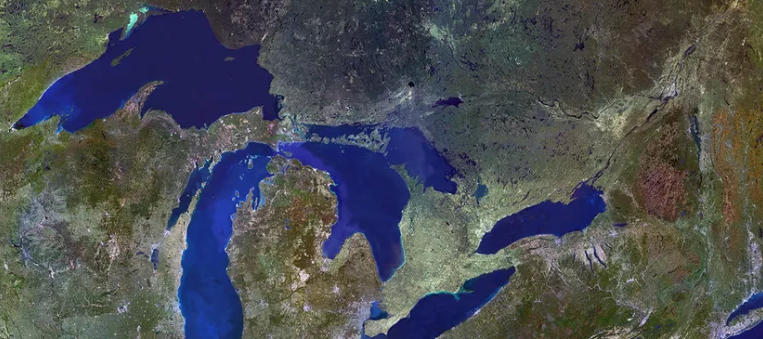
The Great Lakes, a remarkable natural wonder in North America, are not just beautiful; they are also a testament to our planet’s geological history. Formed through a fascinating combination of geological processes, these lakes serve as vital resources for the surrounding ecosystems, communities, and economies. Understanding their formation can help us appreciate their significance and the role they play in our environment.
The Ice Age: A Catalyst for Change
Around 14,000 to 20,000 years ago, during the last Ice Age, massive glaciers covered much of North America. The sheer weight of these glaciers compressed the Earth’s crust and carved out basins. As these glaciers advanced and retreated, they reshaped the landscape, creating deep depressions that would eventually fill with water. This glacial movement was a critical factor in forming the Great Lakes, as it sculpted the terrain and set the stage for the lakes we see today.
The Role of Glacial Meltwater
As the Ice Age came to an end, the glaciers began to melt. This meltwater flooded the newly formed basins, leading to the filling of what became the Great Lakes. Rivers and streams, fed by the melting ice, contributed additional water and helped shape the lakes’ currents and flow patterns. Over thousands of years, as the climate continued to change, the lakes’ water levels fluctuated, further defining their current shape and size. Understanding this process gives us a deeper appreciation for the dynamic nature of the landscape.
Ecological Impact and Biodiversity
The Great Lakes are not just geographical features; they are home to a diverse array of ecosystems and wildlife. The unique conditions created by glacial activity—such as varying depths and water temperatures—allow for rich biodiversity. They are habitats for fish like trout and perch, as well as migratory birds. The lakes also provide vital resources for nearby communities, including drinking water, recreation, and industry. This ecological impact highlights the importance of preserving the Great Lakes, as they are integral to both our environment and our economy.
In conclusion, the formation of the Great Lakes is a captivating story of natural processes that shape our planet. By learning about their origins, we not only gain insight into the Earth’s history but also foster a deeper respect for these vital bodies of water. To discover more about the Great Lakes’ ecosystems and conservation efforts, continue exploring this remarkable geological wonder.