
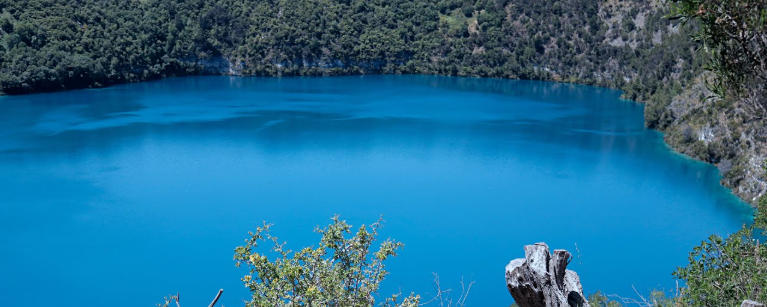
The formation of the Blue Lake in Mount Gambier is a captivating example of nature’s processes and geological history. Understanding how this stunning lake came to be not only illuminates the geological significance of the region but also emphasizes the importance of preserving such unique ecosystems for future generations.
Geological Origins
The Blue Lake is situated in a volcanic crater, formed approximately 28,000 years ago during a volcanic eruption. This eruption caused the ground to collapse, creating a caldera that eventually filled with rainwater over millennia. The unique geological features of the region, including limestone and volcanic ash, contribute to the lake’s vibrant blue color, particularly during summer when the water temperature rises and interacts chemically with the surrounding environment.
Hydrology and Color Change
The lake’s captivating color is a result of both its depth and the presence of fine volcanic sediment. During warmer months, the water’s pH level changes, leading to the striking azure hue that attracts numerous visitors each year. Interestingly, the lake undergoes seasonal color shifts, turning darker in winter and brighter in summer, reflecting the dynamic relationship between weather patterns and hydrological processes.
Ecological Significance
The Blue Lake serves as an essential ecological habitat, supporting a variety of flora and fauna unique to the region. Its waters are home to various aquatic life, including fish and eels, while the surrounding area is populated with diverse plant species adapted to the volcanic soil. Efforts to preserve this environment underscore the importance of protecting this natural wonder from pollution and other environmental impacts.
Learning about the formation of the Blue Lake offers not only insights into geological processes but also highlights the need for environmental stewardship. If you’re intrigued by nature’s marvels, consider visiting or researching ways to support conservation efforts in this breathtaking area!