
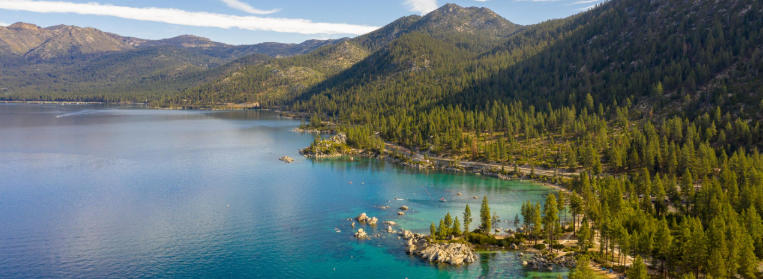
Lake Tahoe, straddling the border of California and Nevada, is renowned for its stunning beauty and crystal-clear waters. However, the lake’s origins tell a fascinating geological story that adds to its allure. Understanding how Lake Tahoe formed not only enriches our appreciation of this natural wonder but also sheds light on broader geological processes that shape our planet.
Geological Foundations of Lake Tahoe
The formation of Lake Tahoe began over two million years ago during the ice ages. Ice sheets advanced and retreated, scouring the land and creating depressions. These glacial movements played a crucial role in carving out the basin that would become Lake Tahoe. The lake sits in a geological depression, largely created by a series of complex tectonic activities, including faulting and volcanic activities that shaped the surrounding landscape.
The Role of Tectonic Activity
The Sierra Nevada mountain range, along which Lake Tahoe lies, has been molded by significant tectonic events. Over millions of years, the movement of the Earth’s plates led to the uplift of the Sierra Nevada, creating a dramatic backdrop for the lake. Fault lines in the region, particularly the Tahoe Basin Fault System, contributed to the sinking of land and formation of the lake basin. This tectonic activity is an ongoing process, continuously influencing the area’s geology and topography.
Glacial Influence and Water Clarity
While tectonic forces laid the groundwork for Lake Tahoe, glacial activity refined its structure. During the last ice age, glaciers carved distinct features, such as the lake’s steep shores and surrounding landscapes. This glacial process not only shaped the physical characteristics of Lake Tahoe but also contributed to its unique waters. The lake is known for its clarity, a result of the natural filtration that occurs through granite rocks and the low nutrient levels, which limit algae growth. Today, Lake Tahoe is one of the deepest and clearest lakes in North America, attracting visitors who marvel at its stunning beauty.
In conclusion, the geological story of Lake Tahoe is a captivating blend of tectonic movements and glacial activity that shaped its formation over millions of years. As you explore this magnificent destination, take a moment to appreciate the natural forces that have crafted its breathtaking landscapes. If you’d like to dive deeper into the geological wonders of Lake Tahoe, consider visiting a local geological institute or joining a guided nature tour to enrich your understanding further.