
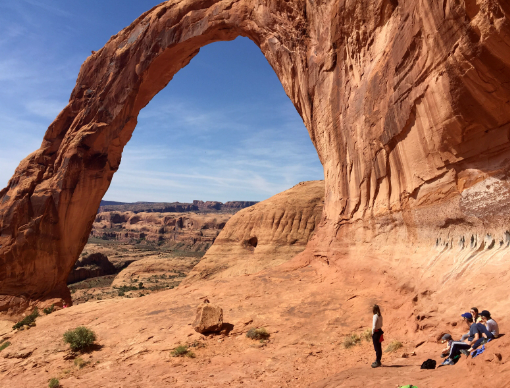
How Erosion Shapes the American Southwest
Erosion is a powerful force that has shaped the stunning landscapes of the American Southwest, creating unique geological formations and influencing local ecosystems. Understanding this natural process is essential for appreciating the region’s beauty and complexity. From breathtaking canyons to eroded mesas, erosion plays a significant role in crafting the scenery that captivates both residents and visitors alike.
The Formation of Iconic Landforms
One of the most striking features of the American Southwest is its iconic landforms, many of which have been sculpted by erosion. The Grand Canyon, for instance, is a prime example of how the Colorado River has carved deep into the earth over millions of years, creating vast and dramatic landscapes. Similarly, places like Monument Valley showcase stunning buttes and mesas, the result of sedimentary rock layers being eroded away at different rates. These formations not only attract tourists but also provide scientists with invaluable insights into Earth’s geological history.
Erosion and Soil Health
Erosion doesn’t just change the landscape visually; it also impacts the health of local ecosystems. Soil erosion can lead to the loss of fertile topsoil, affecting agricultural practices and natural vegetation. In the Southwest, where water is a precious resource, the loss of soil can jeopardize plant life and, consequently, the animals that depend on those plants for survival. However, erosion can also create opportunities by redistributing nutrients, fostering the growth of certain species better suited to the changing landscape. Understanding the balance of these effects is crucial for sustainable land management in the region.
The Human Impact
Human activities have significantly influenced the erosion processes in the Southwest. Urban development, agriculture, and resource extraction can accelerate erosion rates, leading to detrimental effects on both the landscape and the environment. For example, cities built on once-vegetated areas often experience increased runoff and erosion, which can lead to sedimentation in local rivers and lakes. Efforts to manage these impacts include implementing sustainable agricultural practices and reforestation initiatives, which aim to restore the natural balance and minimize human-induced erosion.
In Conclusion
Erosion is an ongoing process that shapes not just the physical landscape of the American Southwest but also its ecological health and human activities. Understanding the role of erosion can enhance our appreciation for this beautiful region and inform how we interact with the environment. Whether you’re a local resident or a curious traveler, take the time to explore the wonders of the Southwest and learn more about how erosion has left its mark on this extraordinary landscape. Engage with nature, visit national parks, and consider how you can contribute to preserving the beauty and health of this unique region.