
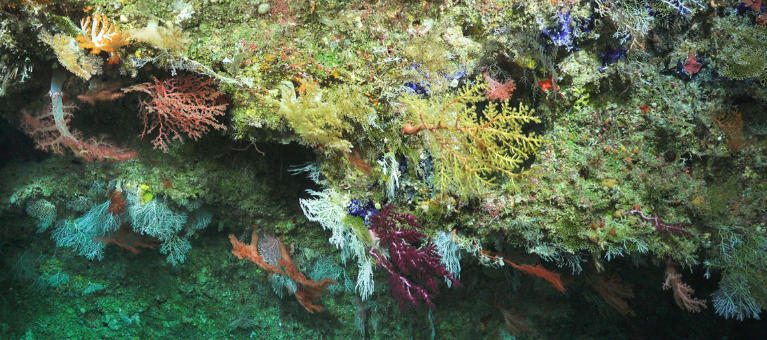
Understanding coral formations is crucial for grasping Australia’s marine narrative, as they provide insights into ecological health, biodiversity, and climate change. These vibrant ecosystems not only support a myriad of marine life but also serve as natural records of environmental shifts over millennia, reflecting both human impact and natural phenomena.
The Role of Corals in Marine Ecosystems
Coral reefs are often referred to as the “rainforests of the sea” due to their rich biodiversity. They harbor approximately 25% of all marine species, despite covering less than 1% of the ocean floor. This biodiversity is essential not only for marine life but also for human communities that rely on the health of these ecosystems for fishing, tourism, and coastal protection.
Coral as Climate Indicators
The structure and health of coral formations are direct indicators of climate change and ocean health. Through processes like bleaching, corals demonstrate their stress responses to rising sea temperatures and changes in water chemistry. By studying these changes, scientists can gain valuable insights into the past and future effects of climate change, helping to inform conservation efforts.
Preserving Australia’s Coral Reefs
Australia’s coral reefs, particularly the Great Barrier Reef, face numerous threats, including pollution, overfishing, and climate change. Conservation initiatives are vital to mitigate these risks and ensure the sustainability of these ecosystems. Engaging with educational programs, supporting marine protected areas, and participating in local conservation efforts can empower individuals to contribute to preserving this natural wonder.
In conclusion, exploring the story told by coral formations deepens our understanding of marine ecosystems and highlights the importance of preserving these crucial habitats. By learning more about coral reefs and your local marine environment, you can play a part in safeguarding these vital ecosystems for future generations.