
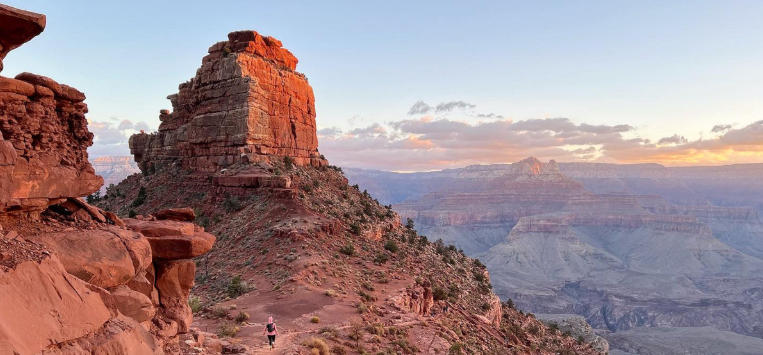
The Grand Canyon, one of the most awe-inspiring natural wonders on Earth, offers more than just breathtaking views; it tells an intricate story of geological history spanning millions of years. This majestic landmark provides a window into the past, showcasing the forces that shaped our planet. Understanding its geological features not only enriches your visit but also highlights the importance of conservation and appreciation for our natural world.
Layers of Time: The Strata of the Grand Canyon
One of the most striking aspects of the Grand Canyon is its layered rock formations. These strata, composed of different rock types, reveal a timeline of Earth’s history. The oldest rocks at the bottom date back nearly two billion years, while the younger layers at the top were formed a mere 250 million years ago. Each layer represents significant geological events, from ancient oceans to volcanic activity, giving visitors a unique glimpse into the Earth’s evolutionary process. Observing these layers helps us understand sedimentation, erosion, and the dynamic forces of nature that continue to shape our planet.
The Colorado River: Carving a Masterpiece
The Colorado River has played a pivotal role in creating the Grand Canyon’s magnificent landscape. This river cuts through the rock layers, a process known as erosion, which has been ongoing for millions of years. As the river flowed, it shaped deep gorges and steep cliffs, creating the impressive canyon walls we see today. Interestingly, studies indicate that the river’s flow has evolved alongside the shifting geology of the area, making it an essential player in the canyon’s formation. The ever-changing relationship between the river and the landscape is a fantastic reminder of nature’s power and resilience.
Fossils and Ancient Life
Fossils found in the Grand Canyon add another intriguing layer to its geological story. The rock layers contain a wealth of ancient marine and terrestrial fossils, which provide insight into life over millions of years. From tiny sea creatures to giant dinosaurs, these fossils tell us about the ecosystems that once thrived in what is now a vast desert. Many visitors are surprised to learn that the area was once covered by ancient seas, and these fossil discoveries help connect us to a time when life looked very different. Exploring these archaeological treasures fosters a deeper appreciation for the natural history that surrounds us.
As you plan your next adventure to the Grand Canyon, take a moment to appreciate the geological wonders it holds. Understanding the intricate history of this monumental landscape will not only enhance your experience but also deepen your connection to the natural world. Whether you’re admiring the colorful strata, watching the Colorado River flow, or seeking out ancient fossils, you’ll find that the Grand Canyon is not just a stunning sight—it’s a captivating story waiting to be discovered. So, gear up for your journey and let the Grand Canyon unveil its remarkable past to you!