
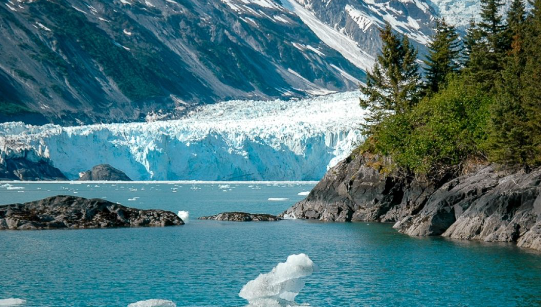
Alaska is a wonderland of natural beauty, famed for its breathtaking glacial landscapes. These remarkable formations have been sculpted over millennia by the relentless forces of glaciation, making Alaska a treasure trove for those interested in geology, ecology, and stunning scenery. Understanding these glacial landforms enhances our appreciation for the state’s unique environment and the processes that have shaped it.
The Majesty of Glaciers
One of the most iconic features of Alaska is its glaciers, which cover about 5% of the state’s land area. Glaciers are massive ice formations that flow slowly over time due to their immense weight. Notable examples include the magnificent Exit Glacier in Kenai Fjords National Park and the expansive Glacier Bay National Park, where visitors can witness the dynamic nature of these icy giants. As glaciers move, they carve out valleys, creating stunning landscapes that attract hikers, photographers, and nature lovers. Observing a calving glacier, where chunks of ice break off and crash into the water, is an unforgettable experience that highlights the beauty and power of nature.
Unique Landforms Created by Glaciation
Glacial processes have resulted in a variety of landforms unique to Alaska. One such feature is the U-shaped valley, formed as glaciers erode the landscape, deepening and widening existing river valleys. These valleys resemble a broad “U” shape, contrasting sharply with the V-shaped valleys carved by rivers. Another fascinating landform is the fjord, often found along Alaska’s rugged coastline, where glacial activity has submerged valleys, creating deep, narrow inlets. The combination of steep cliffs and brackish waters provides important habitats for diverse marine life and offers visitors scenic views that are hard to rival.
Permafrost and Its Significance
Permafrost is another critical aspect of Alaska’s glacial environment, encompassing ground that remains frozen for two or more consecutive years. It plays a crucial role in shaping the Alaskan landscape and is foundational to understanding ecosystem dynamics in the region. The presence of permafrost affects vegetation growth, water drainage, and even building infrastructure. As climate change leads to the thawing of permafrost, scientists are concerned about its impacts, including the release of greenhouse gases and shifts in ecosystems. Understanding the role of permafrost helps us grasp the interconnectedness of climate, geology, and ecology in Alaska.
In conclusion, Alaska’s glacial landforms present a captivating glimpse into the history and geology of our planet. These stunning landscapes not only offer breathtaking views but also play vital roles in our ecosystems and climate. Whether planning a visit or simply wanting to learn more, diving into the wonders of Alaska’s glaciers is sure to inspire admiration and a deeper appreciation for our natural world. Explore further, and let the beauty of Alaska’s glacial landscapes captivate your imagination!