
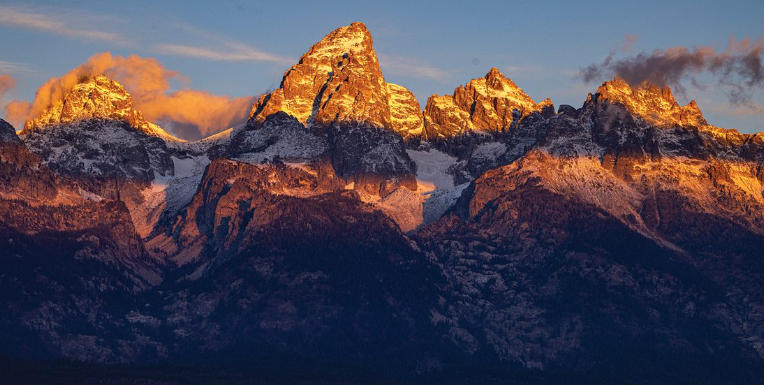
The Grand Teton Range, a breathtaking segment of the Rocky Mountains in Wyoming, has captivated visitors with its towering peaks and stunning landscapes. Beyond their beauty, these mountains hide a wealth of geological secrets that tell the story of Earth’s dynamic history. Exploring these secrets not only enriches our understanding of the region but also enhances our appreciation for the natural world around us.
Geological Formation of the Tetons
The Grand Teton Range boasts a fascinating geological history that dates back over 2.7 billion years. The range was formed primarily through a process called faulting, where enormous blocks of the Earth’s crust shifted due to tectonic forces. The Teton Fault, which runs along the western side of the range, is a prime example of this phenomenon, resulting in the promontory peaks we see today. The towering summits, such as Grand Teton and Mount Owen, are composed mainly of ancient granite rocks, shaped and smoothed by glaciers during the last Ice Age. These geological processes not only created the dramatic skyline but also left behind unique landscapes that continue to inspire awe.
Glacial Influence on the Landscape
Glaciers have played a significant role in shaping the Grand Teton Range, sculpting its valleys, lakes, and sharp ridges. During the last glacial period, massive ice sheets carved out U-shaped valleys and deepened lakes, such as Jenny Lake and String Lake. The evidence of glacial action can still be seen today in the form of moraines—accumulations of rocks and debris pushed along by moving ice. This glacial activity not only created picturesque landscapes but also contributed to the rich biodiversity found in the area, as glacial meltwaters feed into rivers and ecosystems that support various plant and animal life.
Fossil Records and Ancient Life
The Grand Teton Range is not just about stunning vistas; it also serves as a window into ancient Earth and the life that once thrived here. Fossils found in the sedimentary rocks of the region reveal marine life that existed over 500 million years ago when the area was covered by a vast ocean. Fossilized corals, jellyfish, and other sea creatures provide insights into the prehistoric environment and the changes that have influenced the planet’s geology over millions of years. This unique fossil record makes the Tetons a fascinating site for both geologists and paleontologists, illustrating the ever-changing landscape of our world.
In conclusion, the Grand Teton Range is a geological treasure trove that showcases the powerful forces of nature and the rich history of our planet. Whether you’re an avid outdoor enthusiast or simply have a curiosity for the world around you, the geological secrets of the Tetons invite exploration and discovery. To learn more about this incredible range or plan your visit, delve deeper into the stories that these majestic peaks hold and witness firsthand the beauty of the Rocky Mountains.