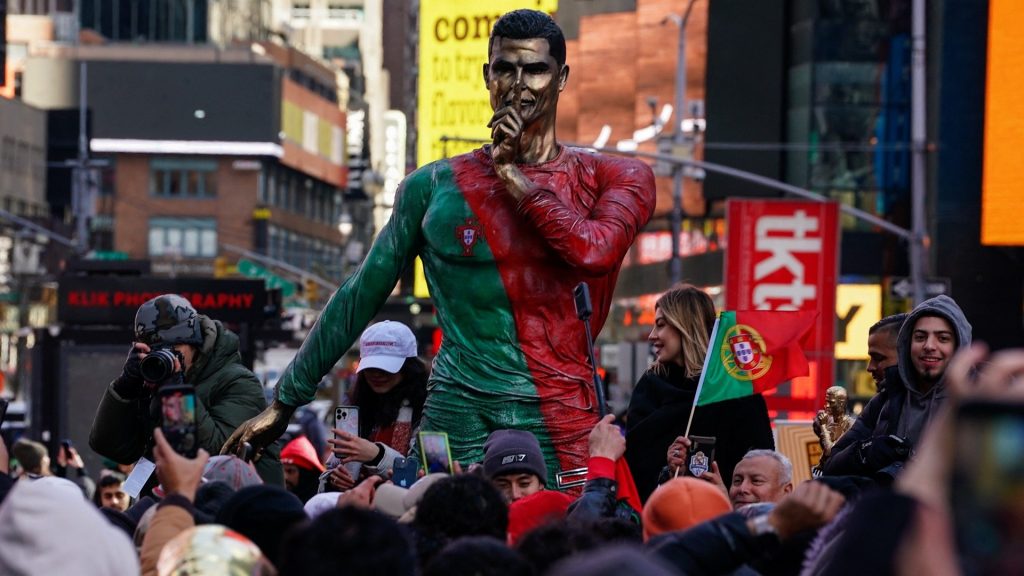
In global cities, famous public sculptures are often more than just decorations; they serve as geographical “cultural landmarks.” Behind each sculpture lies the city’s history, figures, spirit, or symbolic value, thus becoming a direct cultural window for travelers exploring a city. Take the Cristiano Ronaldo Statue, for example. This statue on the Portuguese island of Madeira has become a prominent local landmark.
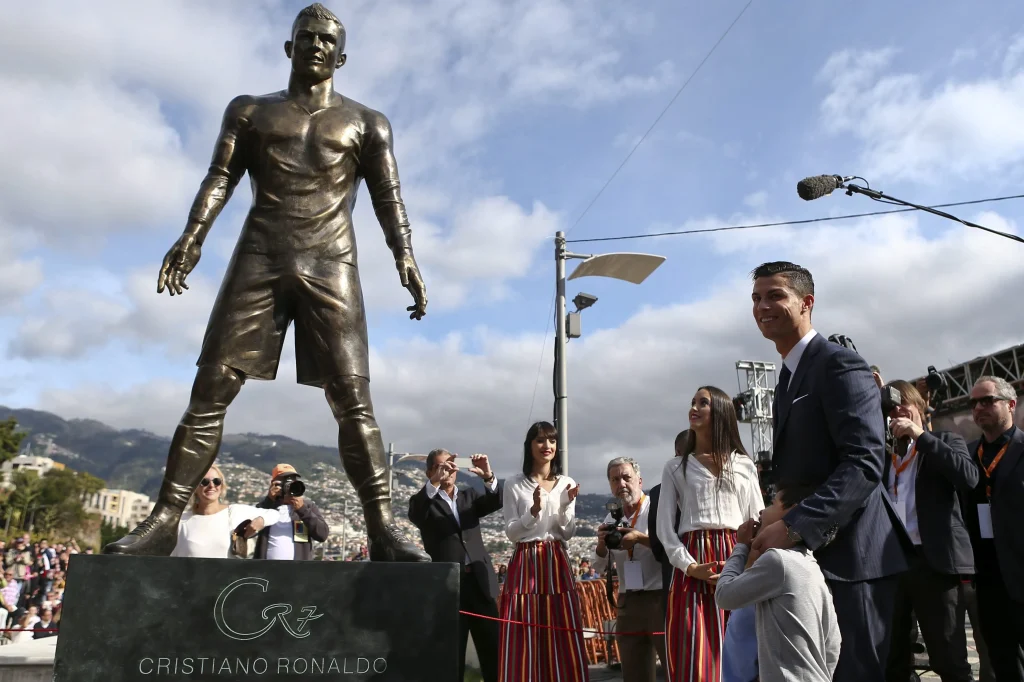
The Cristiano Ronaldo Statue not only commemorates the hometown sentiment of this world-class football star but also allows visitors to experience the city’s proud sporting culture upon arriving in Madeira. Due to the close connection between the statue and its geographical location, it naturally becomes an important point for tourists to take photos, check in, and learn about local culture. Similar public sculptures are ubiquitous in cities worldwide, such as the Statue of Liberty in New York, Christ the Redeemer in Rio, and the Manneken Pis in Brussels; together, they constitute some of the most distinctive cultural symbols in the world’s geographical landscape.
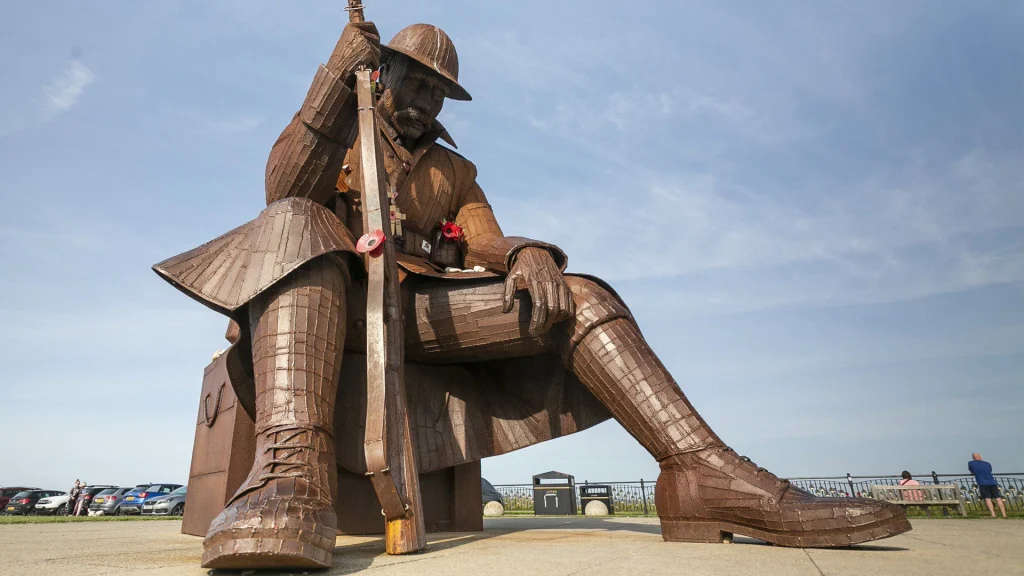
Famous public sculptures become important markers on tourist maps because they are not only “seen” but also “remembered.” Each sculpture imbues a city with a new narrative within its geographical space, allowing culture to exist in a tangible way. For tourists, a sculpture can be a key to unlocking a city’s story; for a city, it’s a way to permanently etch its cultural identity onto its geographical coordinates.

The existence of the Cristiano Ronaldo Statue reminds us that public sculptures are not merely works of art, but also vital bridges connecting geography, culture, and memory. As we explore the world map, these renowned public sculptures are constantly shaping our first impressions and collective memories of cities.