
Exploring the Geology of Yosemite Valley
Yosemite Valley, nestled within the breathtaking Yosemite National Park in California, captivates visitors with its towering granite cliffs, meandering waterfalls, and a variety of ecosystems. Understanding the geology of this iconic landscape not only deepens appreciation for its beauty but also offers insight into the natural processes that have shaped it over millennia.
The Formation of Yosemite Valley
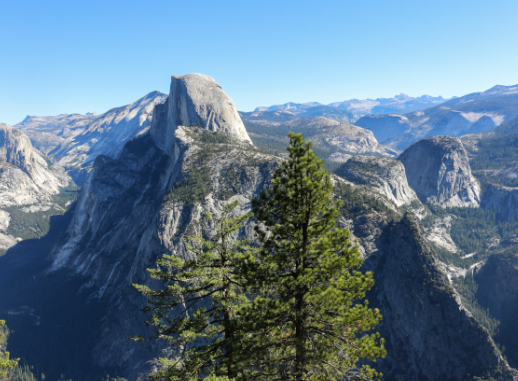
The striking features of Yosemite Valley owe their existence to a combination of volcanic activity, glacial erosion, and tectonic forces. Initially, volcanic activity contributed to the formation of granite, which serves as the bedrock for the valley. Over the past two million years, glaciers carved through the granite, sculpting the valley into its current U-shaped form. As these massive ice formations advanced and receded, they created features such as hanging valleys and moraines, adding to the stunning topography. Each layer of rock tells a story, revealing a dynamic geological history that continues to unfold.
Iconic Geological Features
Yosemite Valley is home to some of the most recognizable geological formations in the world, including El Capitan and Half Dome. El Capitan, a sheer granite monolith, rises over 3,000 feet and is a favorite among rock climbers from around the globe. Half Dome, with its distinctive shape, presents a striking silhouette against the sky. The valley is also dotted with numerous waterfalls, including Yosemite Falls, which is one of the tallest in North America. These features not only draw tourists but also serve as vital indicators of the geological processes at play, offering a remarkable glimpse into Earth’s history.
Ecosystems and Biodiversity
The variety of geological formations in Yosemite Valley supports an impressive range of ecosystems and biodiversity. From the lush meadows that spring to life in the warmer months to the rugged rock faces that host unique flora and fauna, the valley is a biological treasure trove. The diverse habitats sustain an array of plant and animal species, many of which are endemic to the region. This rich tapestry of life is intricately linked to the geological foundation, demonstrating how Earth’s processes foster a delicate balance within ecosystems.
In conclusion, exploring the geology of Yosemite Valley enhances our understanding and appreciation of this natural wonder. By recognizing the powerful forces that forged its magnificent features, visitors can connect more deeply with the landscape. Whether you’re planning a visit or simply wish to learn more, let the story of Yosemite inspire you to explore the great outdoors and the complex world of geology. Happy exploring!