
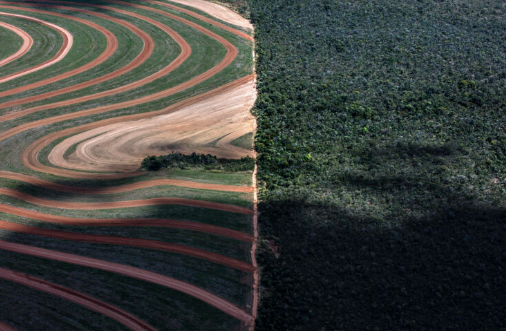
The Cerrado, a vast tropical savanna in Brazil, is facing significant deforestation largely driven by agricultural expansion. Understanding the intricate balance between farming demands and environmental sustainability is key to addressing this crisis. In this blog post, we will explore the reasons behind Cerrado deforestation, its impact on the environment, and actionable steps we can take to mitigate these effects.
1. Causes of Cerrado Deforestation
One of the primary drivers of deforestation in the Cerrado is agriculture, particularly soybean cultivation and livestock grazing. The region’s fertile soils have made it an attractive area for large-scale crop production. Farmers often clear large tracts of land to meet the global demand for soy and meat, resulting in habitat loss for countless species. The expansion of agriculture not only increases carbon emissions from deforestation but also exacerbates soil erosion and depletes water resources.
Another contributing factor is the lack of sustainable practices in land management. Many farmers prioritize short-term gains over long-term sustainability, leading to overuse of land and natural resources. As land becomes less productive due to intensive farming, more forests are cleared to cultivate new plots. This cycle of destruction compromises biodiversity and threatens the ecological integrity of the Cerrado.
-
- Educate yourself and others about sustainable agricultural practices.
-
- Support organizations working to protect the Cerrado.
-
- Advocate for policies that promote responsible land use.
-
- Consider purchasing products from sustainable and ethical sources.
2. Environmental Impact of Deforestation
The environmental repercussions of deforestation in the Cerrado are profound and wide-reaching. The loss of trees leads to decreased carbon storage, contributing to climate change. The Cerrado plays a crucial role in sequestering carbon, and its deforestation releases significant amounts of greenhouse gases—impacting global warming and atmospheric health.
Furthermore, deforestation disrupts local water cycles. The removal of vegetation can decrease rainfall in surrounding areas, leading to droughts and affecting agricultural productivity. In a region already sensitive to climate variations, these changes can have dire consequences for both the environment and the livelihoods of local communities dependent on agriculture.
-
- Monitor your carbon footprint and make necessary reductions.
-
- Participate in tree-planting initiatives to restore local habitats.
-
- Support reforestation efforts dedicated to the Cerrado region.
-
- Stay informed about climate change issues affecting your community.
3. Strategies for Sustainable Agriculture in the Cerrado
Transitioning to sustainable agricultural practices can significantly mitigate the negative impacts of deforestation. Techniques such as agroforestry, which integrates trees into farming systems, can enhance biodiversity and improve soil health. This method allows for the coexistence of crops and trees, providing additional income streams and fostering a more resilient ecosystem.
Additionally, employing crop rotation and cover cropping can replenish soil nutrients and reduce erosion. These practices not only make agriculture more sustainable but also ensure long-term productivity which benefits farmers economically. Encouraging local farmers to adopt these practices can facilitate a community-wide shift toward sustainability, offering both environmental and economic benefits.
-
- Educate farmers about the benefits of agroforestry.
-
- Promote crop rotation and other soil health practices.
-
- Provide resources for sustainable farming techniques.
-
- Encourage community workshops on sustainability in agriculture.
In conclusion, the challenges posed by Cerrado deforestation require urgent attention. By understanding the causes and impacts, along with implementing sustainable practices, we can work together to preserve this vital ecosystem. Consider taking action in your own life and supporting initiatives aimed at protecting the environment and promoting sustainable agriculture.