
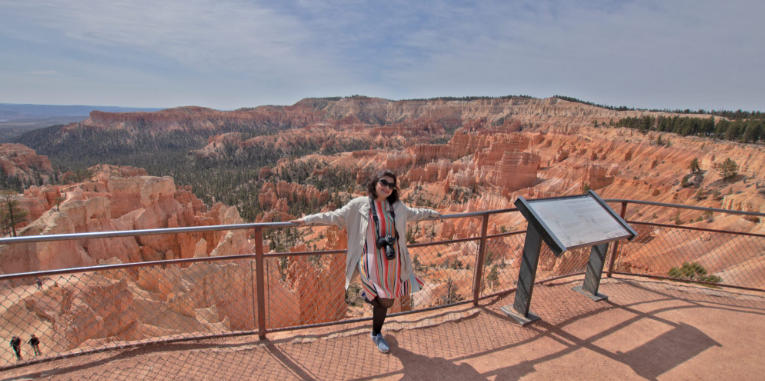
Nestled in southern Utah, Bryce Canyon National Park is a breathtaking spectacle of nature, famous for its vast natural amphitheaters and otherworldly rock formations known as hoodoos. Understanding these unique geological features not only enhances your appreciation of the park’s beauty but also informs vital conservation efforts. Let’s explore what makes these natural amphitheaters a remarkable feature of Bryce Canyon.
The Magic of Hoodoos
Hoodoos are towering spires of rock that rise dramatically from the canyon floor, formed through a combination of erosion and weathering. At Bryce Canyon, the vibrant colors of these formations—ranging from deep reds to bright oranges and subtle pinks—create a visual feast that changes with the angle of the sun. The best time to witness this color transformation is during sunrise or sunset, when the light casts a golden glow across the landscape, making the hoodoos appear almost alive. This stunning display showcases nature’s artistry and serves as a reminder of the geological processes at work for millions of years.
Exploring the Amphitheaters
The natural amphitheaters of Bryce Canyon are not just beautiful to look at; they also serve a unique function in the ecosystem. These impressive formations help funnel sound, creating an acoustical experience unlike any other. Visitors can enjoy hiking trails that lead to various viewpoints, offering breathtaking overlooks of the different amphitheaters such as Sunrise Point or Sunset Point. Each hike provides an opportunity to see the changing landscape from various angles, making it a favorite spot for photographers and nature lovers alike. The diverse flora and fauna thriving in these areas add another layer of beauty and wonder for those who venture into the park.
Preservation Efforts
As the popularity of Bryce Canyon National Park continues to grow, so do the challenges related to preserving its delicate ecosystem. The park’s unique geological formations and plant life are vulnerable to human activity, which is why ongoing conservation efforts are crucial. Initiatives aimed at educating visitors about the impact of their presence help ensure that future generations can enjoy the park’s natural wonders. Simple actions, like sticking to marked trails and practicing Leave No Trace principles, can make a significant difference in maintaining the integrity of these magnificent amphitheaters.
In conclusion, Bryce Canyon’s natural amphitheaters offer a unique glimpse into the power of nature and the importance of preserving these incredible landscapes. Whether you’re an avid hiker, a budding photographer, or simply someone who appreciates natural beauty, Bryce Canyon has something to offer everyone. To learn more about the park, plan a visit, or engage in conservation efforts, check out the official Bryce Canyon National Park website and take the first step toward experiencing this natural wonder for yourself!