
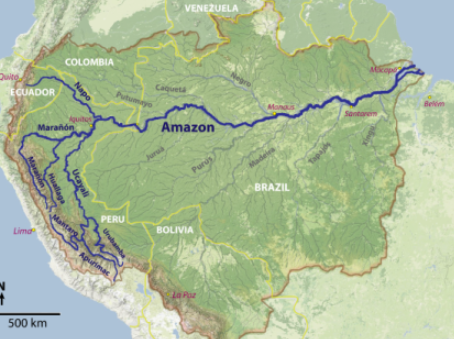
The Amazon River, often referred to as the lifeblood of the Amazon rainforest, boasts an extensive network of tributaries that contributes significantly to its hydrological system. Understanding this intricate web is essential not only for environmental studies but also for local communities who depend on these waterways.
1. Overview of the Amazon River’s Hydrological System
The Amazon River itself stretches over 4,000 miles, making it one of the longest rivers in the world. Within this vast length, it receives water from numerous tributaries, which significantly vary in size, flow, and ecological importance. Major tributaries like the Madeira, Purus, and Negro are critical to the overall water balance and biodiversity of the region.
This hydrological system plays a crucial role in maintaining the delicate ecosystem of the Amazon rainforest. When mapping these tributaries, it is important to consider not just their physical locations but also their seasonal fluctuations and the interconnections with local ecosystems. Accurate mapping can shed light on issues such as water quality, habitat preservation, and climate change impacts.
-
- Familiarize yourself with major tributaries and their specific characteristics.
-
- Understand the seasonal patterns of flooding and low-water periods.
-
- Research the biodiversity supported by each tributary.
-
- Look into the human activities affecting these waterways.
2. Key Tributaries and Their Features
Among the countless tributaries of the Amazon River, some are noteworthy not only for their size but also for their ecological significance. The Madeira River, for instance, is one of the largest tributaries and serves as a critical habitat for various fish species. Another key player, the Rio Negro, is recognized for its unique dark waters, rich in organic material, supporting a diverse range of flora and fauna.
Each tributary presents unique characteristics that impact both its surrounding habitats and the local communities. The Purus River, known for its winding path and slower flow, often suffers from seasonal flooding, creating rich soil deposits that are vital for agriculture. Mapping these features is invaluable for conservation efforts and sustainable development, ensuring both ecological balance and community benefits.
-
- Identify the key tributaries that affect your area of interest.
-
- Study the historical and seasonal changes in water levels for each tributary.
-
- Evaluate the biodiversity supported by specific tributaries.
-
- Assess land use around the tributaries for sustainable practices.
3. Mapping Techniques and Tools
Modern mapping techniques have revolutionized our understanding of the Amazon River tributaries. Utilizing Geographic Information Systems (GIS) enables researchers to create detailed and interactive maps that display river networks, elevation changes, and land use patterns. Additionally, satellite imagery provides researchers with valuable insights into the hydrological changes over time.
Field surveys complemented by drone technology allow for accurate measurements and observations of river conditions, helping to map any emerging changes due to environmental factors. These tools are indispensable for creating up-to-date maps that are essential for both academic research and practical applications in managing natural resources.
-
- Familiarize yourself with GIS software for effective mapping.
-
- Use satellite imagery for broader observational studies.
-
- Conduct field surveys for localized and specific data collection.
-
- Incorporate community feedback in mapping exercises for a holistic approach.
Overall, understanding the hydrological system of the Amazon River and its tributaries is critical for conservation and sustainable management. Accurate mapping is not just an academic exercise; it has real-world implications for both the environment and local communities. As water resources become increasingly strained, the importance of this knowledge cannot be overstated.
In conclusion, delving into the complexities of the Amazon River’s tributaries offers valuable insights that extend far beyond mere geography. Whether you’re a researcher, student, or simply an interested reader, consider engaging more deeply with this vital ecological system. Together, we can promote awareness and action for the protection of one of the world’s most essential waterways.