
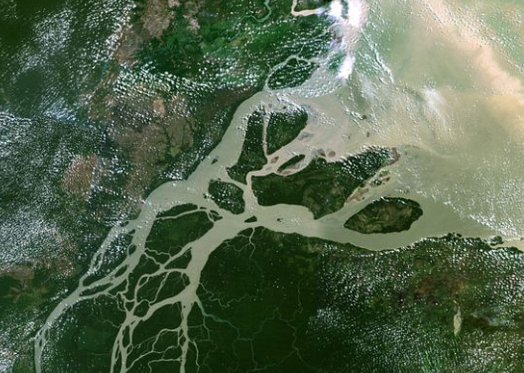
The Amazon River and its delta are marvels of nature that showcase the intricate processes of sediment deposition and river mouth formation. Understanding these processes is crucial for ecological preservation, economic activities, and flood management in the region.
1. The Importance of Sediment Deposition in the Amazon Delta
The Amazon delta is a complex network of waterways and islands formed by the sediment that the river carries from its upstream sources. As the river reaches its mouth, the flow slows down considerably, causing sediments to settle. This deposition provides vital nutrients to the surrounding ecosystems, making the delta one of the most biodiverse regions on the planet. For example, the sediments enrich the soil, supporting mangroves and wetlands that are crucial habitats for various species.
Moreover, sediment deposition also plays a significant role in land formation within the delta. Over time, this process leads to the development of new landmasses, which can alter local geography and ecosystems dramatically. The constantly changing nature of the delta requires continuous study and monitoring to understand the implications for flora, fauna, and human activity. With its dynamic structure, the delta demonstrates the essential relationship between water flow and sediment transport.
-
- Monitor river flow rates and sediment levels regularly.
-
- Conduct ecological assessments to study the effects of sediment deposition.
-
- Implement sustainable practices for agriculture to minimize soil erosion.
-
- Develop flood management strategies based on sediment deposition patterns.
2. River Mouth Structure and Its Ecological Significance
The river mouth structure is shaped by a combination of hydrodynamic forces and sediment deposition. The Amazon’s mouth, where it meets the Atlantic Ocean, demonstrates a fan-like structure characterized by various channels and islands. This configuration impacts water flow, salinity levels, and the types of organisms that can thrive in these habitats. For instance, the brackish waters created by the mingling of freshwater and saltwater promote unique biological communities, including migratory fish, crustaceans, and aquatic plants.
Another fascinating aspect of the river mouth structure is how it impacts human activity. Commercial fishing, navigation, and tourism heavily depend on the stability and accessibility of these waterways. Changes in sediment deposition can lead to navigational challenges, influencing trade and local economies. Awareness of the ongoing shifts in river mouth behavior is essential for the planning and management of resources in the area.
-
- Engage local communities in sustainable fishing practices.
-
- Educate stakeholders on the importance of river mouth ecosystems.
-
- Support research initiatives to monitor changes in water salinity.
-
- Explore economic alternatives that promote ecological health.
3. Challenges and Conservation Efforts in the Amazon Delta
The Amazon delta faces various challenges, primarily due to human interference and climate change. Deforestation, pollution, and agricultural expansion contribute to increased sediment load and withdrawal of water volume, disrupting the delicate balance that maintains the delta’s ecosystem. These activities can result in habitat loss, altered fish populations, and increased vulnerability to flooding.
Conservation efforts are crucial to address these issues. Organizations and governments are collaborating on initiatives to protect the delta’s biodiversity, reducing the impact of agricultural runoff and promoting reforestation. Educational programs aimed at local communities often focus on sustainable practices that align with both ecological health and economic needs. With collective action, there is potential for recovery and maintenance of the delta’s vital ecosystems.
-
- Participate in local conservation programs aimed at restoring habitats.
-
- Advocate for policies that protect the delta and its ecosystems.
-
- Reduce plastic use in your daily life to minimize pollution.
-
- Engage in sustainable agricultural practices that maintain soil integrity.
In conclusion, the Amazon delta’s sediment deposition and river mouth structure are of paramount importance not only to the local ecosystem but also to the livelihoods dependent on this rich resource. By understanding these dynamics, we can better protect and preserve this vital region for future generations. Consider taking action by getting involved in local initiatives or supporting conservation efforts in your area.