
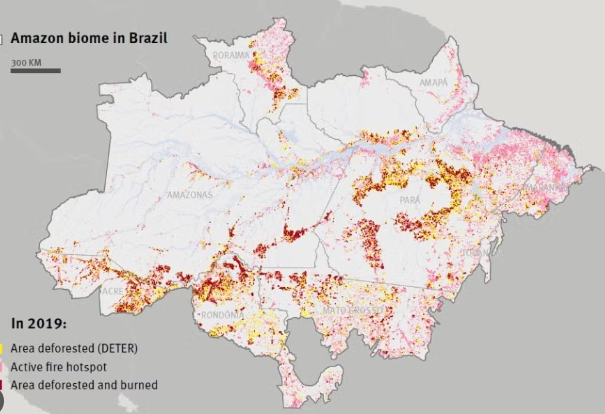
The Amazon rainforest, often referred to as the “lungs of the Earth,” plays a vital role in regulating climate and supporting biodiversity. Recently, the increasing incidence of fires in this region has raised significant concerns about climate change and its compounding effects.
1. Understanding the Fires in the Amazon Rainforest
Understanding the causes of fires in the Brazilian rainforest is vital. Many of these fires are intentional, set by farmers to clear land for agriculture, but they can easily spiral out of control. Unregulated land use and deforestation exacerbated by climate change have made these fires more frequent and intense, leading to devastating impacts on both the environment and local communities.
In recent years, satellite technology has significantly enhanced our ability to monitor these fires. Tools like NASA’s MODIS (Moderate Resolution Imaging Spectroradiometer) enable real-time fire detection and mapping, providing critical data to researchers and policymakers. This level of monitoring helps both in understanding fire behavior and in devising strategies for fire prevention and mitigation.
-
- Stay informed about fire risks in your area.
-
- Support initiatives focused on sustainable land use.
-
- Advocate for stronger regulations against illegal land clearing.
-
- Engage with local conservation groups to learn more.
-
- Use technology tools to track fire activity in real-time.
2. The Interplay Between Climate Change and Forest Fires
Climate change plays a critical role in the frequency and intensity of forest fires in the Amazon. As global temperatures rise, the rainforest becomes more prone to dry spells, increasing the likelihood of fires. Additionally, extreme weather events, such as prolonged droughts and intense rainfall, further destabilize ecosystems, making them more vulnerable to combustion.
The repercussions of these fires extend beyond immediate damage. Regular occurrence of fires can lead to a shift in vegetation, which may transition from dense forest to a more fire-resistant ecosystem, diminishing biodiversity. This shift impacts not just flora and fauna but also local and global climate patterns, as deforestation releases substantial amounts of carbon stored in trees, contributing to the greenhouse effect.
-
- Reduce personal carbon footprint by using public transportation.
-
- Consider supporting reforestation projects.
-
- Engage in community discussions about climate awareness.
-
- Offset emissions through carbon credits or conservation efforts.
-
- Educate yourself and others about the effects of climate change.
3. Effective Strategies for Fire Prevention and Recovery
Successful fire prevention strategies in the Amazon involve integrated efforts from local communities, governments, and international organizations. Monitoring land use, enforcing legal frameworks against illegal burning, and promoting sustainable agricultural practices are key components. By fostering community resilience, we can combat both the immediate effects of fire and long-term environmental damage.
Furthermore, partnerships between NGOs and local governments have increasingly proved effective in restoring burnt areas. These collaborative efforts focus on replanting native species and educating local communities about the importance of preserving biodiversity. By working together, we can ensure that the rainforest continues to flourish despite the rising threats from climate change.
-
- Volunteer for local reforestation initiatives.
-
- Promote community education on fire safety.
-
- Report illegal burning to local authorities.
-
- Participate in workshops on sustainable farming practices.
-
- Support policies aimed at preserving natural habitats.
The Brazilian rainforest and its ecological health are critical to the planet’s climate system. By understanding the causes of forest fires and taking actionable steps, we can all contribute to a more sustainable future. Staying informed and getting involved at a community level is crucial in the fight against climate change and for the preservation of this vital ecosystem.